










A tide of opportunity: How Scotland’s salmon sector is powering coastal communities
From cutting-edge vessels built on island shores to classroom conversations shaping future careers, Scotland’s salmon sector is not just an industry - it is a lifeline for rural and coastal communities.


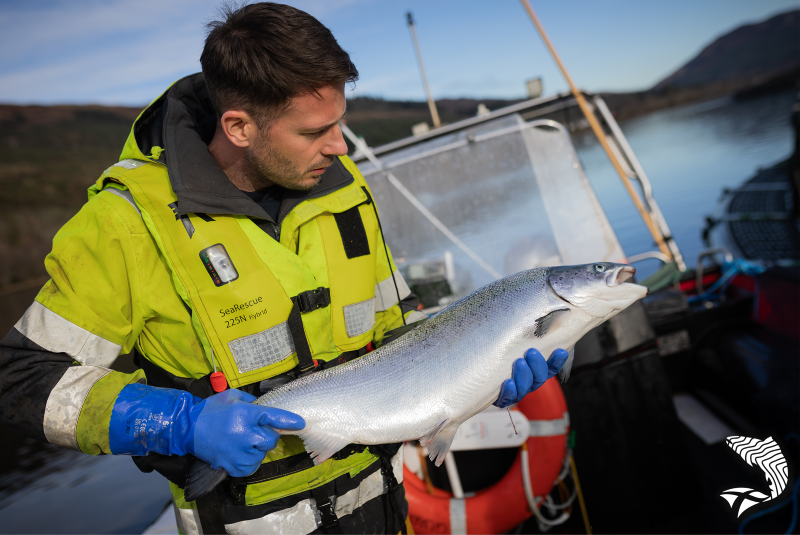
New independent analysis highlights the scale of that impact. In the Highlands alone, salmon farming contributes £307 million annually to the economy, supporting around 3,530 jobs and generating significant investment across local supply chains. Across Argyll and Bute, the sector adds a further £100 million and supports approximately 1,100 jobs, reinforcing its role as a cornerstone of fragile rural economies*
These figures tell a powerful story - but they are only part of it.
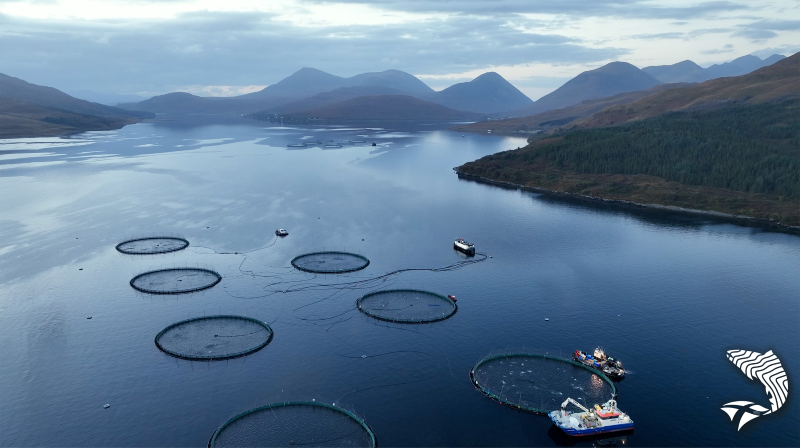
Innovation anchored in island communities
Recent months have seen major investment in infrastructure and innovation along Scotland’s west coast. On the Isle of Bute, a new £1.2 million workboat for Bakkafrost Scotland has been constructed locally - demonstrating how global aquaculture companies are choosing to invest directly in island economies.
Meanwhile, in Ullapool, the launch of Inter Alba, one of the largest wellboats operating in Scottish waters, marks another milestone. Developed through a partnership between Mowi Scotland and Trident Aqua Services, the vessel will operate across the west coast, supporting fish health and welfare while enhancing operational efficiency.
These developments are not isolated. They reflect a broader pattern of sustained investment that stretches from shipyards to shorebases, and from engineering firms to local transport providers - supporting a diverse and interconnected supply chain.
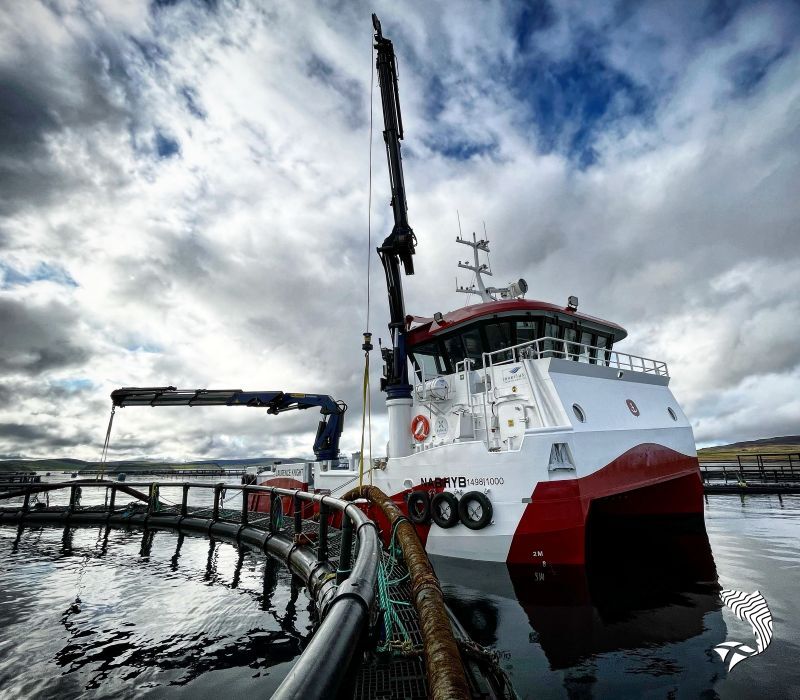
Inspiring the next generation
Beyond infrastructure, the sector is also investing heavily in people - particularly young people.
Through a series of careers events in partnership with Developing the Young Workforce (DYW), pupils from Campbeltown to Portree, Lochaber to Ullapool, are being introduced to the wide range of opportunities within aquaculture.
These events offer hands-on insight into roles spanning marine biology, engineering, environmental management, and logistics.
For many students in remote communities, these sessions open doors to careers that allow them to stay and thrive locally - rather than leave in search of opportunity.
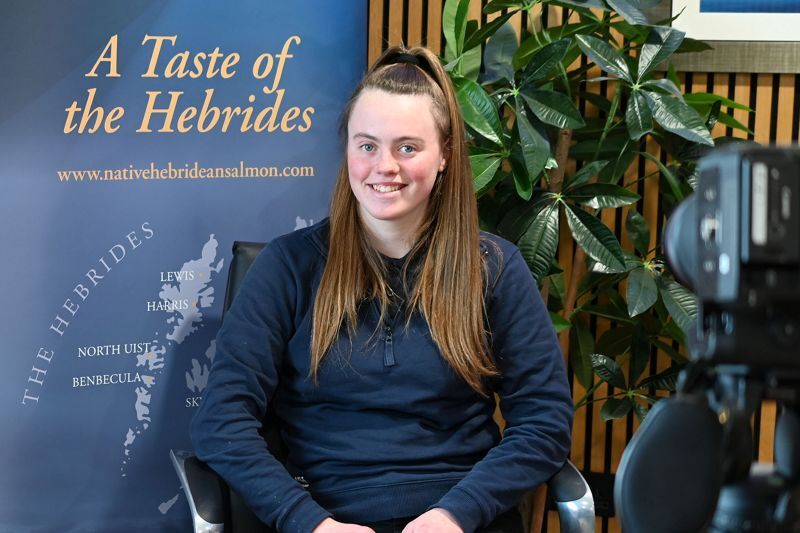
Apprentices such as Leah MacIntyre, based in Lewis and Harris, are powerful examples of that pathway in action. Celebrated during International Women’s Day and featured speaking Gaelic during World Gaelic Week, Leah represents a new generation entering the sector with skills, confidence, and cultural pride.
A commitment to community and environment
Alongside economic growth, the salmon sector continues to demonstrate its commitment to environmental stewardship and community wellbeing.
From beach cleans on the Isle of Raasay to significant conservation projects funded through the Wild Fisheries Fund, the industry is actively supporting Scotland’s natural environment.
Projects such as the repair of a critical dam on the River Creed in Stornoway are helping protect wild salmon populations, while gene bank trials and habitat restoration initiatives in Lochaber and Argyll aim to strengthen biodiversity for future generations.
Infrastructure improvements also reflect this community focus. Bakkafrost Scotland’s support for upgrades to the iconic Bealach na Bà road highlights how industry investment can deliver wider benefits - improving safety and accessibility for residents, businesses, and visitors alike.
A national success story with local impact
Nationally, Scottish salmon contributes around £1 billion to the economy each year, with exports reaching £828 million in 2025. It remains the UK’s most popular fish, with domestic sales worth £1.5 billion annually.
But while the export figures are impressive, the true strength of the sector lies closer to home.
From hatchery technicians and fish farmers to boat builders and feed suppliers, salmon farming supports a network of skilled, well-paid jobs - many offering salaries above the national average. It provides stability in areas where economic opportunities can be limited, helping to sustain populations, schools, and local services.
Tavish Scott, chief executive of Salmon Scotland, said:
“Argyll and Bute and Highland regions play a central role in Scottish salmon’s global success story.
“The sector is the economic backbone of coastal communities across the region, creating skilled, well-paid, year-round jobs and supporting hundreds of local businesses.
“From hatchery technicians and farmers to hauliers and feed suppliers, salmon farming underpins the local economy and helps sustain rural life.
“The work done here contributes directly to a £1 billion-ayear national success story that is vital to Scotland’s prosperity.
“The region’s salmon farmers continue to lead the way in responsible growth, innovation, and environmental care while producing one of the healthiest and most sustainable foods in the world.”
Looking ahead
As global demand for sustainable protein continues to rise, Scotland’s salmon sector is well positioned for further growth. Yet its success will depend on maintaining the balance between economic development, environmental responsibility, and community benefit.
What is clear is that this is an industry deeply embedded in the fabric of coastal Scotland - shaping not just the economy, but the future of communities up and down the west coast.
From the classroom to the coastline, and from island shipyards to international markets, the story of Scottish salmon is one of connection, opportunity, and enduring impact.
*Source: UKTradeInfo; Marine Directorate; Salmon Scotland calculations
For more on Scotland’s salmon industry and its impact on the Scottish economy, visit: www.salmonscotland.co.uk/facts/business-economy
Latest News

JOBS
Guest Relations Team (Full Time) - Lochaber Accommodation Services Ltd
Sign up to our daily Newsletter
Permission Statement

Yes! I would like to be sent emails from West Coast Today
I understand that my personal information will not be shared with any third parties, and will only be used to provide me with useful targeted articles as indicated.
I'm also aware that I can un-subscribe at any point either from each email notification or on My Account screen.
You may also like

Latest News
JOBS
Guest Relations Team (Full Time) - Lochaber Accommodation Services Ltd
Sign up to our daily Newsletters
Permission Statement
Yes! I would like to be sent emails from West Coast Today
I understand that my personal information will not be shared with any third parties, and will only be used to provide me with useful targeted articles as indicated.
I'm also aware that I can un-subscribe at any point either from each email notification or on My Account screen.


© 2026 Wyvex Media Limited.