










Seeing Stars: Total solar eclipses
Keith Wilson has had a lifelong interest in the night sky and has written for space and astronomy publications in both the UK and USA. He lives under the dark night skies of the Isle of Gigha.


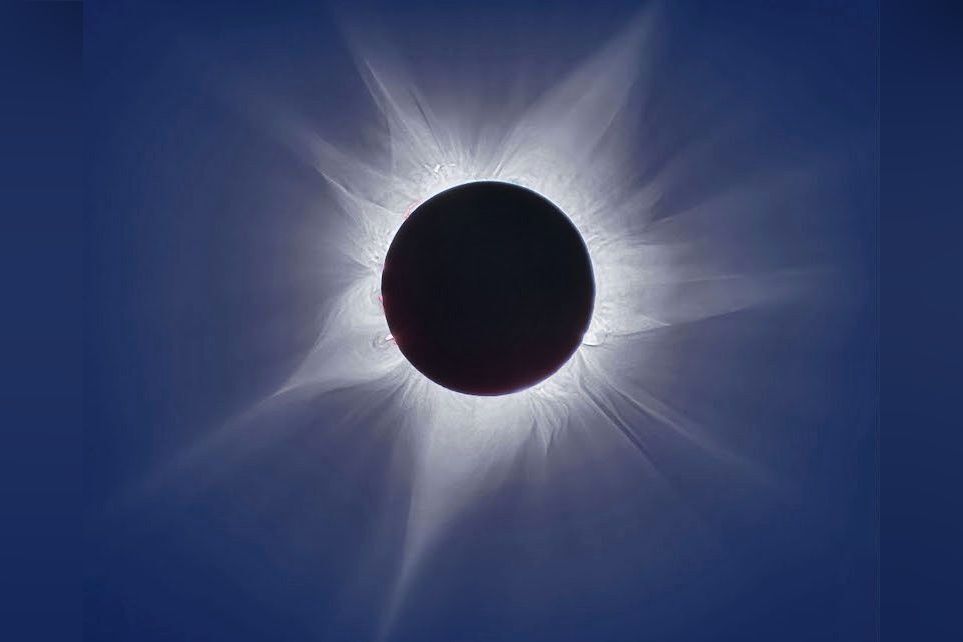
Most people will have witnessed a partial eclipse of the Sun but have you ever seen a total eclipse of the Sun?
During totality, the Moon completely covers the Sun, revealing the Sun’s outer atmosphere, the corona, in a breathtaking display. The sky darkens suddenly, stars and planets become visible, and the temperature drops, creating an almost otherworldly atmosphere.
This experience vastly differs from a partial eclipse, where the Sun is only partially covered, and the dramatic effects of totality are absent.
Total solar eclipses often evoke profound reactions in people. These awesome, inspiring and often spiritual events are fascinating to experience, whether you are interested in astronomy or not.
Historically, they inspired terror to those who witnessed the Sun appearing to be devoured by the Moon. Many ancient societies saw total solar eclipses as messages from gods.
In today’s society, people will often travel a long way in the hope of witnessing this spectacle.
The last total solar eclipse in the UK was on August 11 1999. The next one won’t take place until September 23 2090. So if you want to see a total solar eclipse in your lifetime then you will need to travel.
A total solar eclipse is an unforgettable event but it can result in an expensive trip to see just a few minutes of totality. However, both 2026 and 2027 feature total solar eclipses not too far from home.
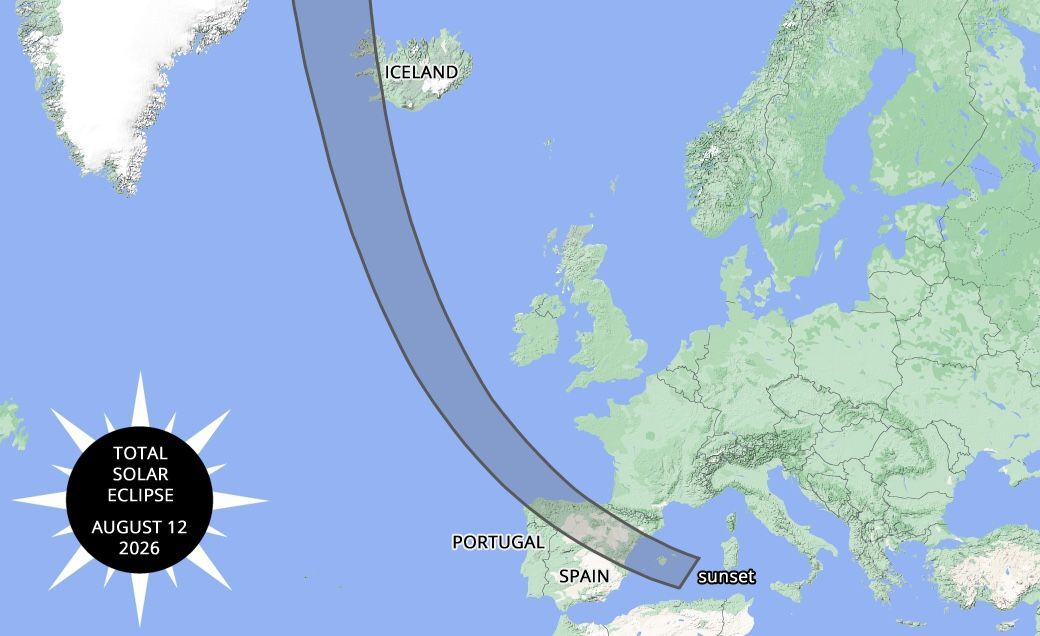
On Wednesday August 12 2026, a total solar eclipse will take place in western Europe. It begins in Greenland, then passes over Iceland and Spain before finishing in the western Mediterranean at the Balearic Islands.
Weather conditions are most favourable in Spain, so places such as Zaragoza, Bilbao, Santander and Valencia should get a good view.
The maximum duration of the total phase will be just over two minutes in Iceland to just one minute in Valencia, Spain. Palma in Majorca will see one and half minutes of totality.
As the eclipse takes place in the evening, the Sun will be low in the western sky so can easily be obscured by hills so it is important to choose a viewing location that won’t restrict your view.
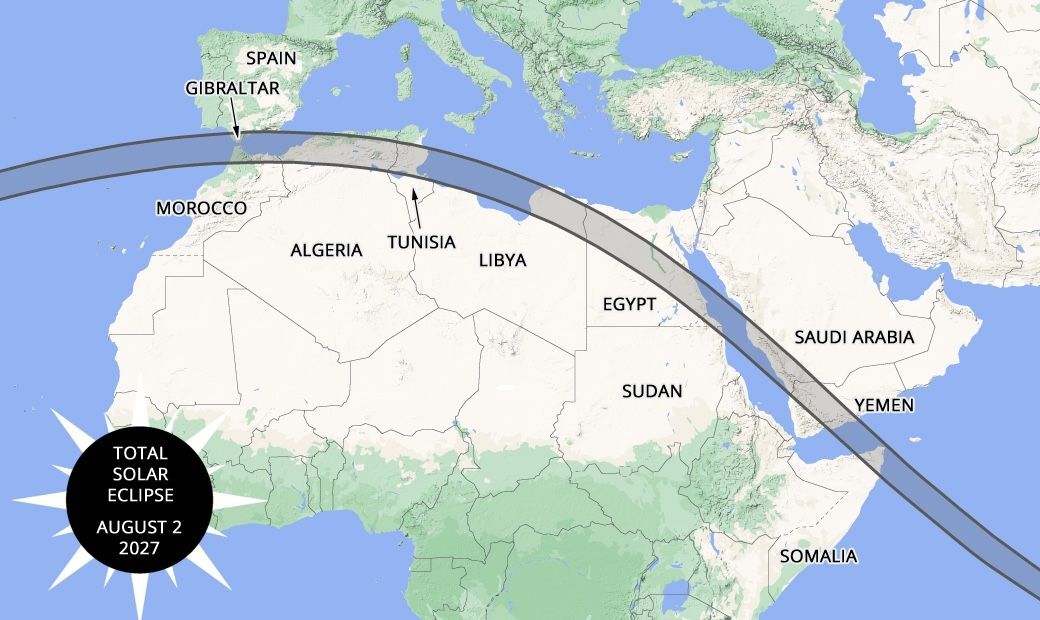
One year later, on August 2 2027, Europe will see its last total eclipse until 2053. It begins out in the Atlantic, passes over the very south of Spain then across Northern Africa and the Red Sea before ending in the Indian Ocean.
One of the best locations to see what will be the longest total eclipse of the century will be in Luxor on the River Nile in Egypt. However, the Costa del Sol in Spain will still offer a great view as weather conditions at that time of year are usually clear.
Malaga, Marbella, Cadiz and Gibraltar are all in the path of the total eclipse. Marbella will see over three minutes of totality during this morning total solar eclipse.
With Spain being both close and affordable then both the 2026 and 2027 total solar eclipses seem like good bets to see one of the most inspiring events on the planet.
Before and after the total phase, you will see a partial eclipse of the Sun as the Moon gradually starts to cover or move away from the Sun. For this phase, you need to protect your eyes with special solar eclipse glasses. These will allow you to see what’s happening without harming your eyes.
You can view the total phase without protection and you will see the Sun’s ghostly outer atmosphere, known as the corona.
You may also see fiery solar prominences leaping up at the edges of the covered Sun. Stars and planets will be visible. Temperatures will plummet, birds will go silent, people will cheer and all around will look like a 360° sunset. It’s magical!
Solar eclipse glasses need to go back on immediately the first bright spot at the edge of the Moon (known as the diamond ring effect) appears. That signals the end of the total phase but the partial phase will continue as the Moon slides away from the Sun.
Seeing a total solar eclipse is a once in a lifetime opportunity, and it’s one of the most impressive natural phenomena you are ever likely to see. Don’t miss out!
Why not try these links to see what our West Coast AI can tell you.
(Please note this is an experimental service)
Latest News





JOBS
Office Co-ordinator (Sales & Marketing) - Midton Acrylics Ltd
Sign up to our daily Newsletter
Permission Statement

Yes! I would like to be sent emails from West Coast Today
I understand that my personal information will not be shared with any third parties, and will only be used to provide me with useful targeted articles as indicated.
I'm also aware that I can un-subscribe at any point either from each email notification or on My Account screen.
You may also like

Aileen’s Amazing Argyll – January-March 2026


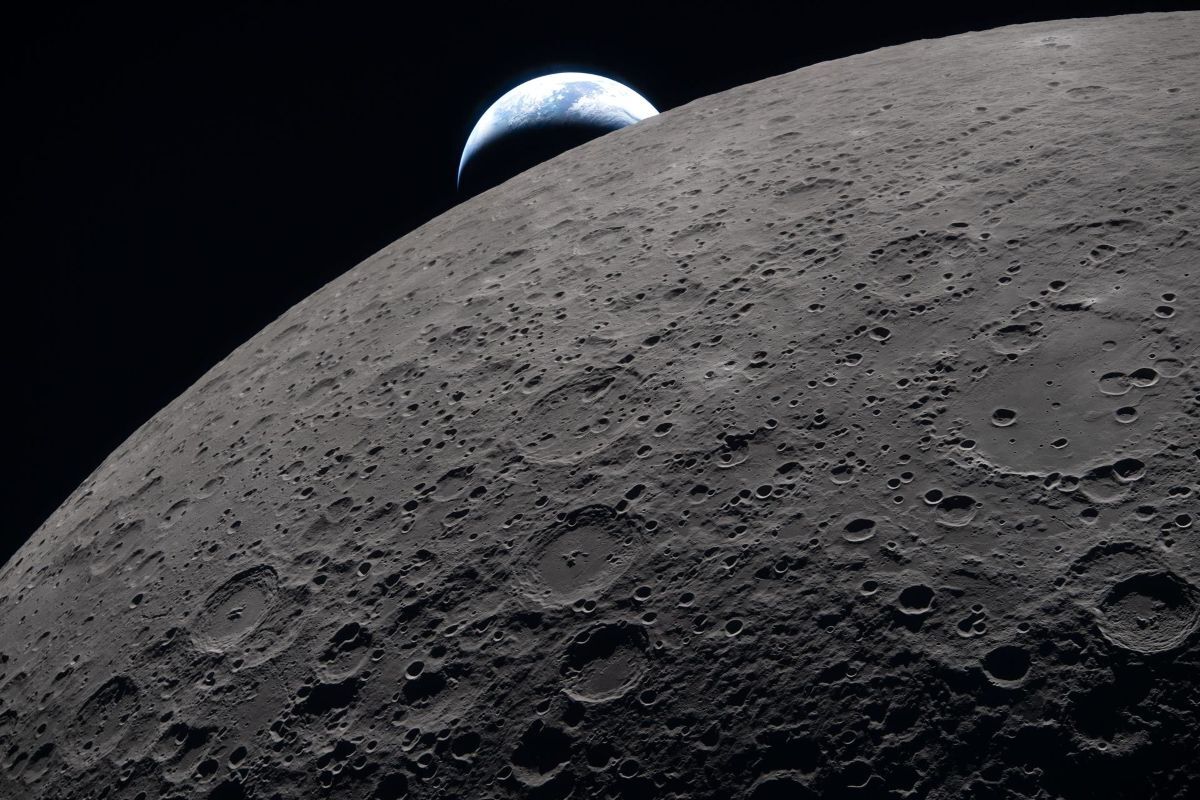
Seeing Stars: Moon myths
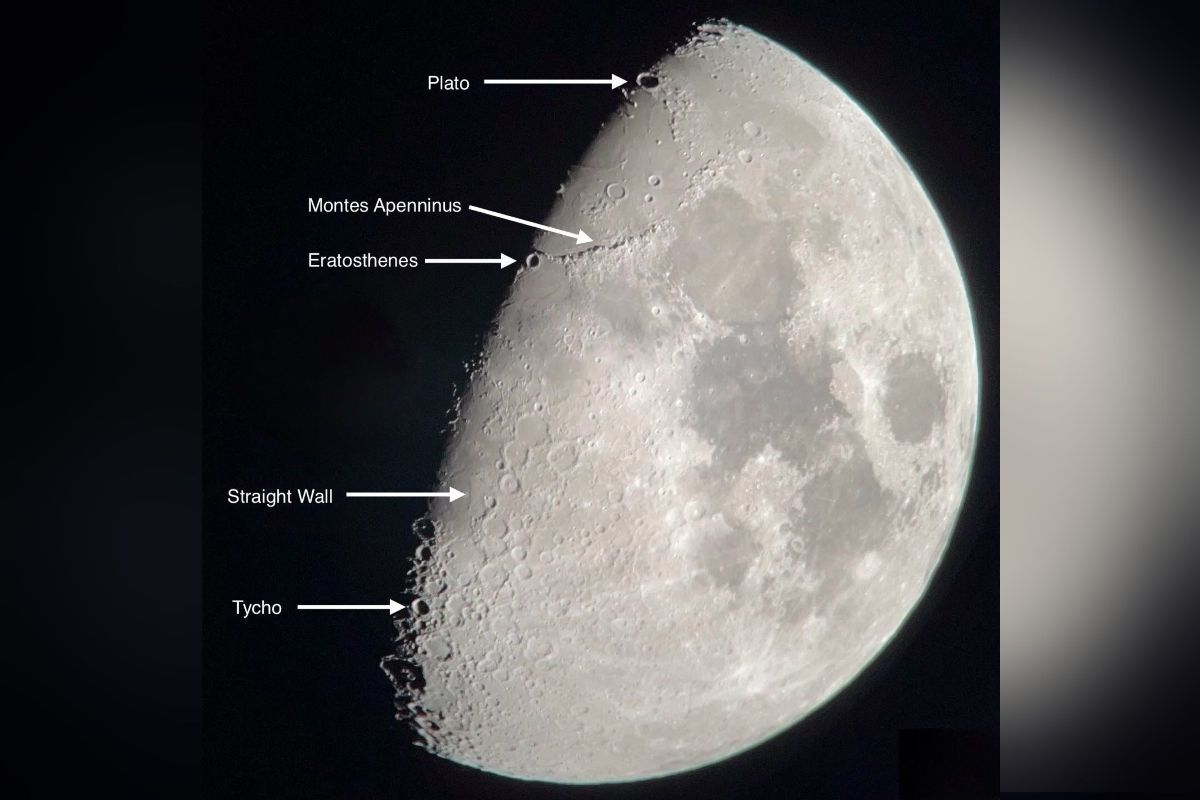
Seeing Stars: The Moon’s terminator
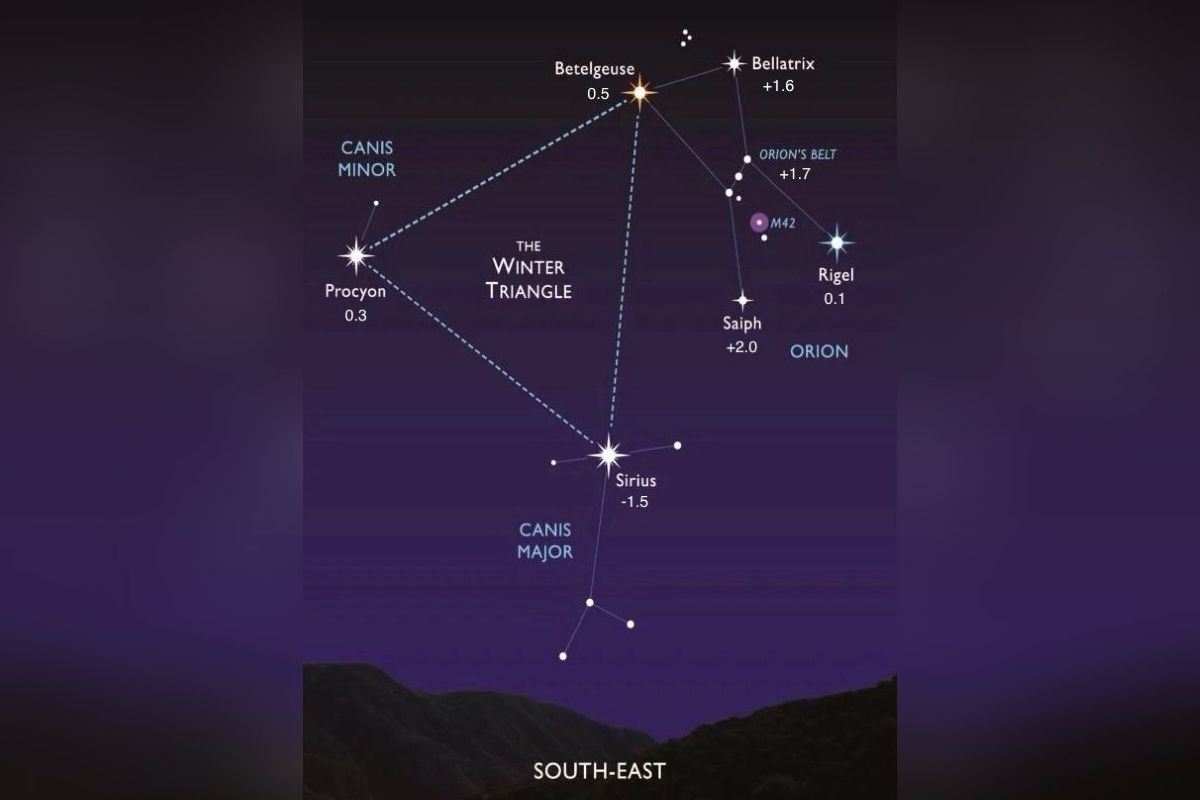
Seeing Stars: Magnitudes
Seeing Stars: 10 top tips for Kintyre stargazing
Latest News

JOBS
Office Co-ordinator (Sales & Marketing) - Midton Acrylics Ltd
Sign up to our daily Newsletters
Permission Statement
Yes! I would like to be sent emails from West Coast Today
I understand that my personal information will not be shared with any third parties, and will only be used to provide me with useful targeted articles as indicated.
I'm also aware that I can un-subscribe at any point either from each email notification or on My Account screen.



© 2026 Wyvex Media Limited.