










Design your Haven
Building or renovating your home is a chance to create a space perfectly tailored to your life. As you plan for 2025 and beyond, understanding design trends isn’t just about aesthetics. It’s about future-proofing your investment and crafting a home that nurtures your well-being.

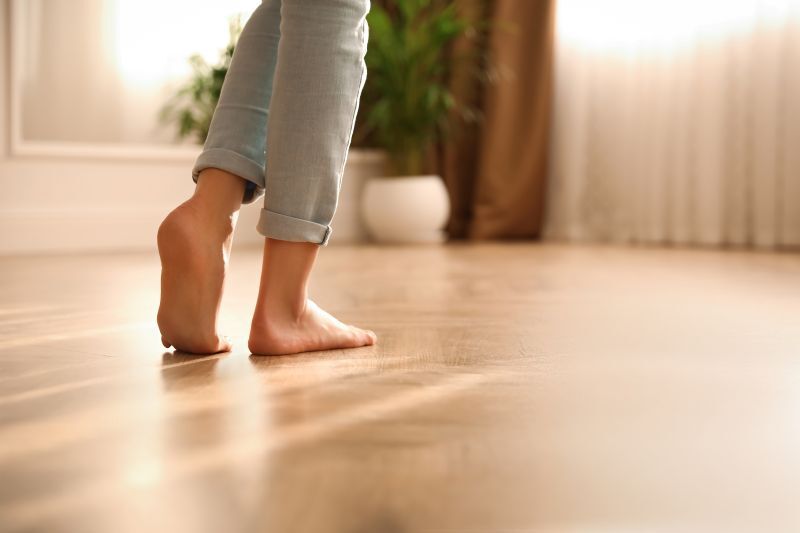

 Design you Haven
The rise of the (truly) sustainable sanctuary
Sustainability has moved from a niche choice to a core principle. Think beyond just materials; consider energy efficiency, water conservation and promoting biodiversity (e.g., integrating garden views).
As you build or renovate, prioritise:
Longevity: Choose high-quality, durable materials that last.
Natural and reclaimed: Incorporate elements like reclaimed wood, natural stone and low-VOC paints.
Biophilic design: Maximise natural light, plan for indoor plants and ensure views connect to nature. It’s proven to boost mood and productivity.
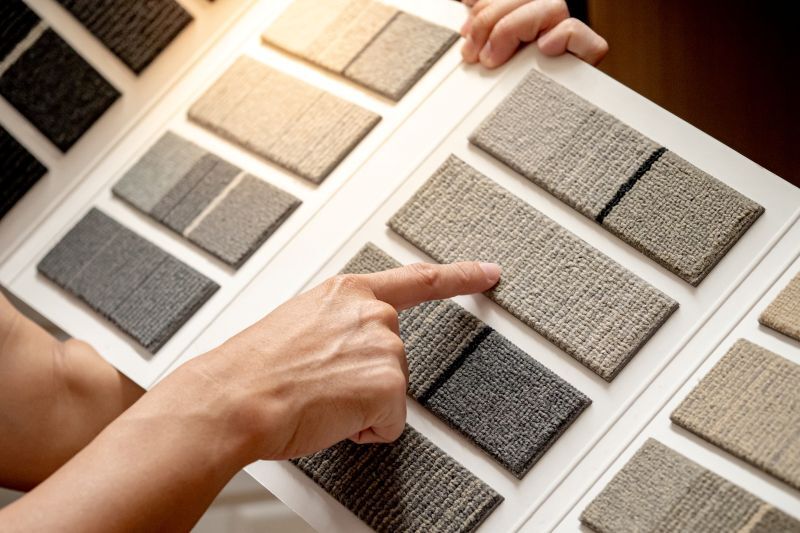
Textured comfort and earthen palettes
Your home isn’t just our castle, it’s your haven, so make it feel that way. This translates to layered textures – think boucle, linen, tactile wallpapers and chunky knits. Colour palettes for 2025 lean towards warm, earthy tones inspired by the Scottish landscape – muted greens, soft browns, sandy beiges and gentle blues, punctuated by deeper, grounding shades such as terracotta or forest green. And if you’ve been watching interior designers such as Mull’s own Banjo Beale on the telly, you’ll know about the trend of “colour drenching”, or painting the walls, trim and ceilings the same or similar shades for a dramatic, cohesive look. This could be monochromatic, using a single colour, or tonal, by using various tints of the same colour.
Seamless smart integration
Technology is becoming even more intuitive and integrated. The homes of today, not just the future, feature smart systems that are effortless – controlling lighting, heating, security and entertainment from anywhere.
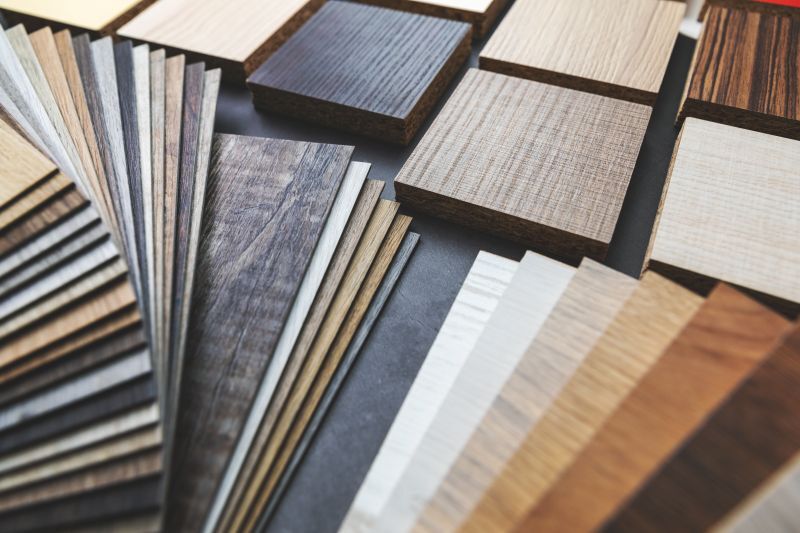
Flexible, adaptable layouts
Our lives demand more from our homes. Modern design embraces flexibility – spaces that can adapt from a home office to a guest room, or open-plan areas that can be subtly zoned. Consider sliding doors, pocket doors or clever built-in storage solutions that allow rooms to change function. Think about room proportions and how furniture might be arranged for multiple uses. Building or renovating is your chance to weave these forward-thinking ideas into the very fabric of your home. By focusing on sustainability, comfort, smart integration and flexibility, you’re not just following trends. You’re creating a beautiful, functional and enduring sanctuary that will delight for many years to come.
Flooring Flair
Embarking on a self-build or major renovation is exciting - but with so many choices, selecting the right flooring is crucial. As the literal foundation of your home, flooring impacts both function and style, making it a key long-term investment.
One of today’s leading choices is Luxury Vinyl Tile (LVT) and its modern upgrade, Stone Plastic Composite (SPC). Far from the vinyl of old, these offer stunningly realistic finishes that mimic wood, stone, or concrete. Loved for their durability, waterproof nature, and easy maintenance, LVT and SPC are ideal for busy households and are often more affordable and DIY friendly than the materials they emulate.
For timeless warmth, Engineered Wood Flooring remains a go-to. It’s more stable than solid wood and well-suited to Scotland’s climate, especially with underfloor heating. Current trends favour wider planks, rustic or reclaimed finishes, and classic laying patterns like herringbone and chevron - perfect for adding character to living areas and hallways.
Carpet, too, is making a stylish return. Rather than full-home coverage, it’s now used selectively in bedrooms, snugs, or lounges for added comfort and sound insulation. Natural fibres like wool are in demand for their sustainability and softness, with textured loop and deep cut piles in warm neutrals or dramatic dark tones offering both luxury and practicality. Sustainability is becoming a key factor, with growing interest in FSC-certified woods, low-VOC LVT, and eco-friendly carpets. Zoning open-plan layouts using different flooring types or patterns is another smart design strategy, defining spaces without the need for walls.
Ultimately, flooring should balance lifestyle, function, and design. Whether you prioritise practicality, texture, warmth, or elegance, your choices will help create a home that feels as good as it looks - for years to come.
Latest News




JOBS
General Manager of a Property Company based in Onich - Telford Management
Sign up to our daily Newsletter
Permission Statement

Yes! I would like to be sent emails from West Coast Today
I understand that my personal information will not be shared with any third parties, and will only be used to provide me with useful targeted articles as indicated.
I'm also aware that I can un-subscribe at any point either from each email notification or on My Account screen.
You may also like






Latest News
JOBS
General Manager of a Property Company based in Onich - Telford Management
Sign up to our daily Newsletters
Permission Statement
Yes! I would like to be sent emails from West Coast Today
I understand that my personal information will not be shared with any third parties, and will only be used to provide me with useful targeted articles as indicated.
I'm also aware that I can un-subscribe at any point either from each email notification or on My Account screen.



© 2026 Wyvex Media Limited.