










Skye band calls on new MSPs to protect arts and Gaelic or lose ‘generations’ of talent
Electronic music pioneers Niteworks are calling on the next crop of MSPs to treat Scotland’s creative funding crisis as a national emergency - fearing generations of talent risk being lost forever.


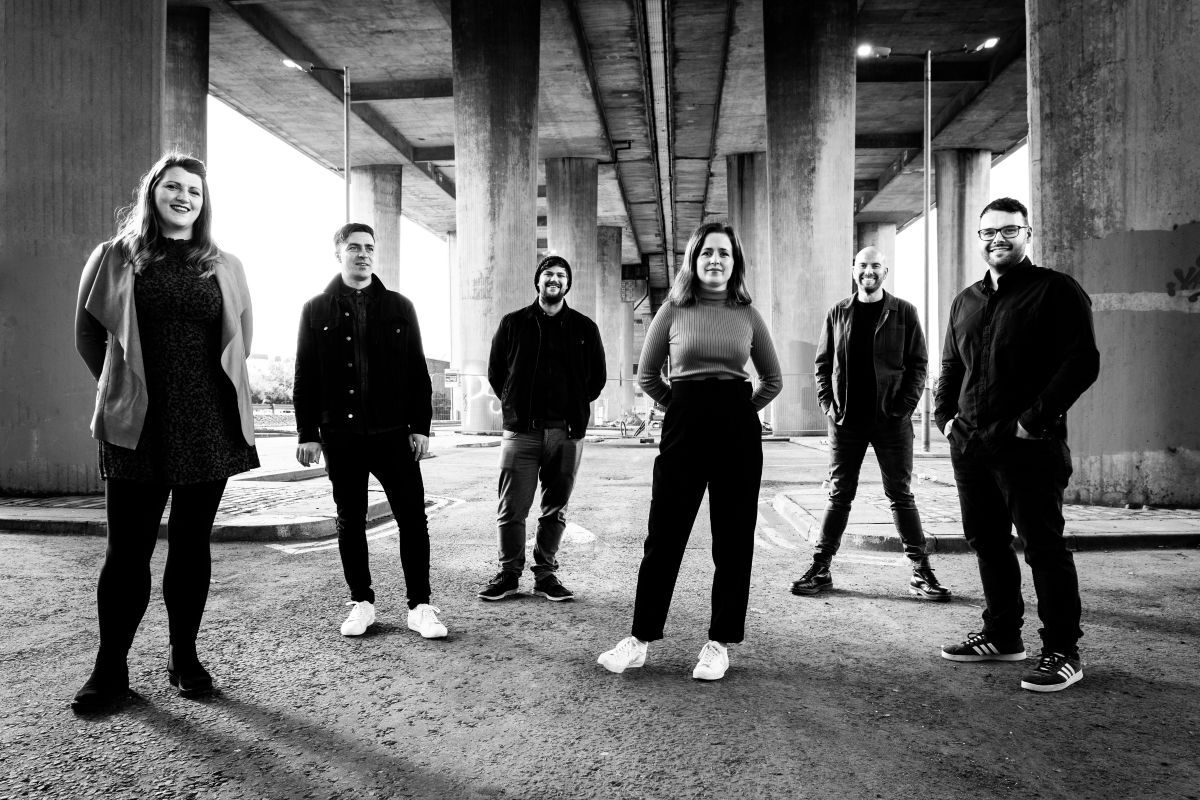
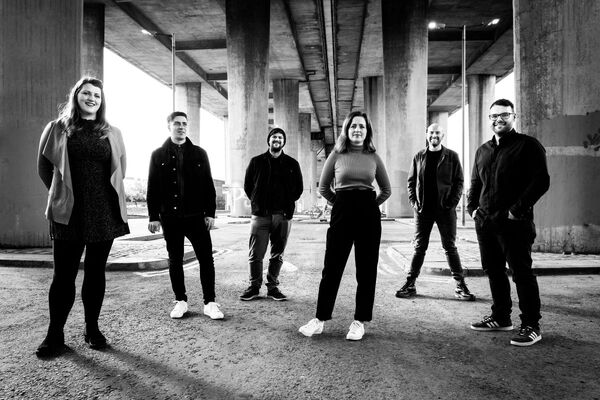
Niteworks, originally from Skye, took the world by storm with their blend of acid croft-inspired electronic Celtic fusion music, building on the legacy of Gaelic greats Runrig and blazing a trail for the likes of current trendsetters, The Elephant Sessions.
Their career was boosted with Creative Scotland grants towards their acclaimed debut album NW in 2015, and follow up Air Fàir an Là in 2018.
But all other releases, including new live album Solas na Maidne out on May 16, being self-funded, something they say may never have happened in today’s climate.
Drummer Ruairidh Graham from the band said: “We’ve had an incredible career over the years, taking in stages here in Scotland and across the world, building an amazing fan base, and culminating in what was an extraordinary final show at the O2 Academy in Glasgow captured for our forthcoming new documentary and live album.
“But we were among the lucky ones able to receive some vital funding early on which allowed us to bring out our first albums, get ourselves some promotion and airplay, securing bookings off the back of it, and then were able to self fund every other album since.
“That investment paid dividends all round though. Our music has been used many times to promote Scotland on a global stage, be it through campaigns for VisitScotland, headlining Edinburgh’s Hogmanay, or our own live shows with our distinctive Gaelic sound. That’s quite the return on the initial funding.
“How many others could easily follow a similar path today?
“We’ve seen announcements from time to time about more funding etc, but it’s not just about the volume of cash. It’s also about how it’s accessed and distributed. It’s almost a full time job on its own for artists to try and apply for these things, never mind if they are holding down other jobs to pay their rent when they should be concentrating on their music.
“The music industry in Scotland, and this is especially true for islands, derives huge benefits from people who are making music, staging music, and touring music. It supports venues, shops, hospitality, travel businesses, with us - a resurgence in Gaelic, and brings global attention.
“But respectfully, it isn’t and never has been treated properly as one of the country’s biggest employers, exporters or income generators.
“With venues and festivals closing down, AI on the march, and no real light at the end of the dark funding tunnel, some artists are understandably considering just giving up, no matter how brilliantly talented they are.
“Unless the entire funding model is overhauled, including bringing in a basic income for artists, then we fear generations of musicians could be lost to the nation forever. That would be devastating for creativity, and the economy, in this country.”
Almost two years on from their last live show at the O2 Academy in Glasgow, Niteworks will be screening their final tour documentary at Skye Live next month, at 2pm on Friday 8th, and 12pm on Saturday, 9th May, at the newly refurbished Las Cinema in Portree.
That’s the warm up act for the band hosting an online premiere for the first time, where fans can also buy the documentary as a final piece of memorabilia to relive the final year on 14 May at 6pm. A live album of the same show - Solas na Maidne - is being released digitally the same day on all streaming platforms.
The documentary is half footage following the band on their final UK tour in 2024, and half footage from their sold out show in the O2 Academy in Glasgow, as well as from their sold out dates in Inverness, Aberdeen, Edinburgh, and London. The band chose the Glasgow gig as the finale of their tour and centrepiece of the documentary given their history, the city being their adopted home, and keen supporter of folk and electronic music.
The release was originally scheduled for earlier this year, but the plans were delayed after Glasgow’s Centre for Contemporary Arts (CCA) - which hosted the documentary’s original test screenings - fell into liquidation in January, leaving the band with a significant financial burden of lost income.
Ruairidh added: "Losing the CCA is a big blow for Glasgow, but it’s also a perfect example of exactly what we’re talking about. Seminal arts institutions are disappearing, venues are closing.
“How can it be that this can happen repeatedly yet nothing seems to get done about it? It just underlines how precarious Scotland’s arts and music scene really is - and why the next Scottish Government needs to treat this as the emergency it is."
The documentary was captured and directed by Magnus Graham, Ruairidh’s brother, who has described it as a passion project that “he never, ever plans to repeat” given how many edits the band have insisted on.
The film is bilingual, in both English and Gaidhlig, which is a natural reflection of how the band interact with one another, and of their music.
The band have taken the unique approach to translate both languages via the subtitles, so that Gaidhlig speech has English subtitles and English speech has Gaidhlig subtitles - thought to be a first for any Gaidhlig language film.
Why not try these links to see what our West Coast AI can tell you.
(Please note this is an experimental service)
Latest News
JOBS
Sign up to our daily Newsletter
Permission Statement

Yes! I would like to be sent emails from West Coast Today
I understand that my personal information will not be shared with any third parties, and will only be used to provide me with useful targeted articles as indicated.
I'm also aware that I can un-subscribe at any point either from each email notification or on My Account screen.
You may also like


Latest News
JOBS
Sign up to our daily Newsletters
Permission Statement
Yes! I would like to be sent emails from West Coast Today
I understand that my personal information will not be shared with any third parties, and will only be used to provide me with useful targeted articles as indicated.
I'm also aware that I can un-subscribe at any point either from each email notification or on My Account screen.



© 2026 Wyvex Media Limited.