










Smart Heating and Home Energy Solutions
Scotland’s breathtaking landscapes often come hand-in-hand with a challenging climate, so tackling the chilly winters effectively and affordably is crucial. Getting your home heating right from the outset not only guarantees comfort but also significantly impacts your long-term energy bills and environmental footprint.


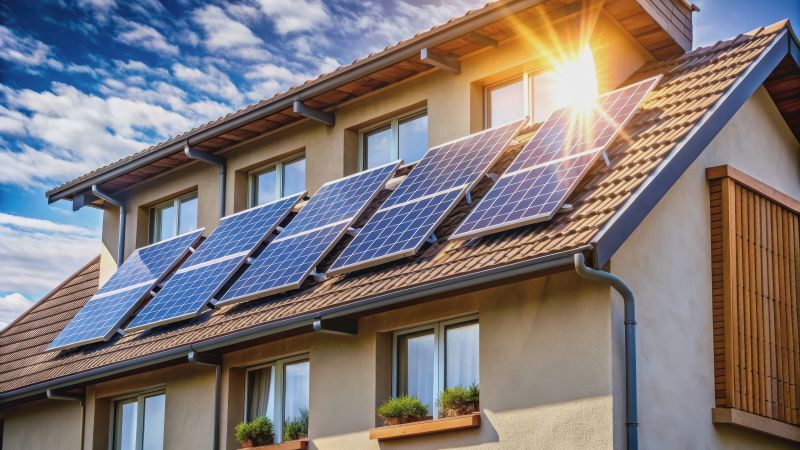
The foundation of warmth
Before even considering heating systems, it’s all about insulation. Think of it as the first line of defence against the Scottish weather. Insulation prevents heat from escaping, reducing the demand on your heating system and saving you money in the long run.
Walls: Modern building regulations in Scotland mandate stringent insulation standards for new builds. However, for renovations, consider upgrading existing wall insulation. Options include cavity wall insulation (if applicable), internal wall insulation (IWI) or external wall insulation (EWI). EWI, while more disruptive, offers the best performance and protects the building fabric.
Roof: A significant amount of heat escapes through the roof, making insulation here crucial. Aim for the highest level of insulation possible, exceeding minimum requirements for optimal performance. Consider using materials like mineral wool, sheep’s wool or rigid insulation boards.
Floor: Ground floor insulation, particularly in new builds, is essential. Suspended timber floors can be insulated with mineral wool or rigid boards, while concrete floors can be insulated before the screed is laid.
Windows and Doors: Invest in high-quality, energy-efficient windows and doors. Double or triple glazing with low-E coatings and argon gas filling significantly reduce heat loss. Ensure proper installation to avoid drafts.
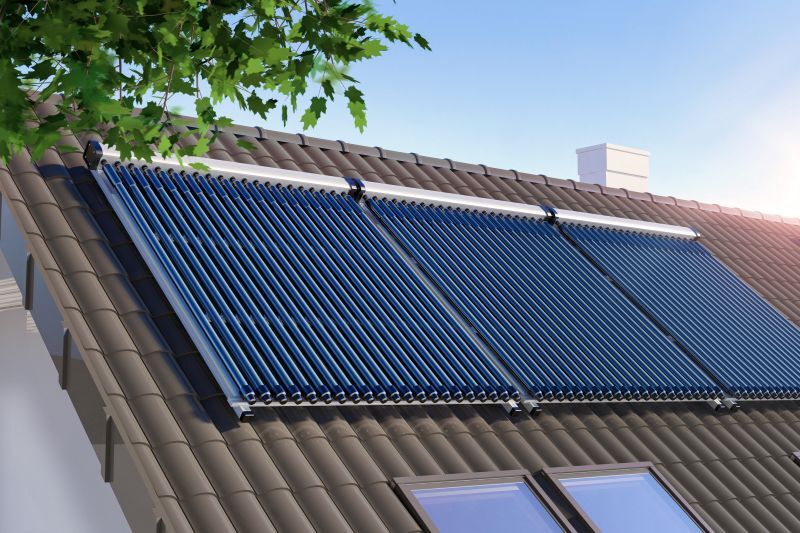
Choosing the right heating system
Once you’ve optimised your insulation, you can focus on selecting the most appropriate heating system for your needs and budget.
Gas central heating: Still a popular option, especially in urban areas with access to mains gas. Modern condensing boilers are highly efficient, but consider the environmental impact of using fossil fuels.
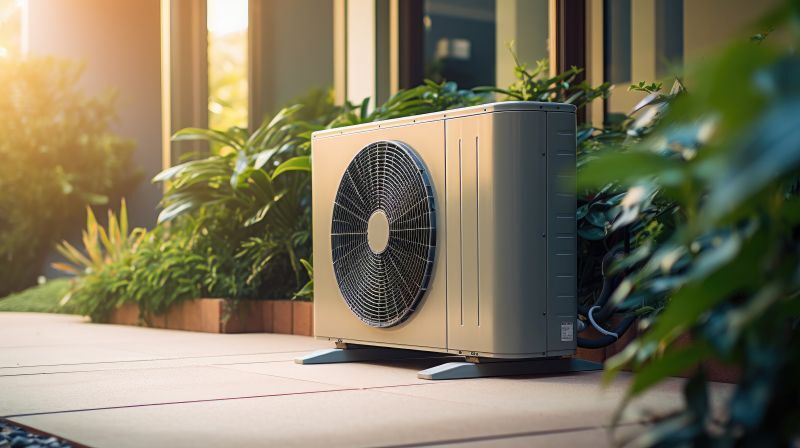
Air Source Heat Pumps (ASHPs): A renewable energy option that extracts heat from the outside air, even in cold temperatures. ASHPs are eligible for government grants and offer lower running costs than gas boilers, particularly when paired with underfloor heating. However, they require a well-insulated home to function effectively.
Ground Source Heat Pumps (GSHPs): More expensive to install than ASHPs, but generally more efficient, as they draw heat from the ground, which maintains a more consistent temperature. GSHPs also require a suitable plot of land for the ground loop installation.
Biomass boilers: Burn wood pellets or logs, offering a potentially carbon-neutral alternative to fossil fuels. However, they require space for fuel storage and regular maintenance.
Electric heating: Can be a viable option for smaller homes or as a supplementary heating source. Look for electric radiators or storage heaters with thermostatic controls and consider using electricity generated from renewable sources.
Underfloor heating: An efficient and comfortable way to heat your home, providing even heat distribution. Works particularly well with heat pumps and can be installed in both new builds and renovations.
Smart controls for energy efficiency
Regardless of the heating system you choose, invest in smart controls to optimise energy consumption.
Programmable thermostats: Allow you to set different temperatures for different times of the day and days of the week, ensuring you only heat the rooms you’re using when you’re using them.
Zoned heating: Divide your home into separate heating zones, allowing you to control the temperature in each zone independently. This is particularly useful for larger homes or homes with different occupancy patterns.
Smart home integration: Connect your heating system to a smart home system for remote control and monitoring. You can adjust the temperature from your phone, monitor energy usage and even set the system to automatically adjust based on weather forecasts.
Maximising efficiency during renovation
Renovations offer a unique opportunity to improve the energy efficiency of your home.
Draft-proofing: Seal any gaps or cracks around windows, doors and pipes to prevent drafts. This simple and inexpensive measure can significantly reduce heat loss.
Hot water tank insulation: Ensure your hot water tank is well-insulated to minimise heat loss. Consider installing a hot water tank jacket if your tank is not already insulated.
Pipe insulation: Insulate exposed hot water pipes to prevent heat loss as water travels to taps and showers.
Seeking expert advice
Navigating the world of heating solutions can be complex. Consult with qualified professionals such as architects, energy assessors and heating engineers to ensure you make informed decisions. They can assess your specific needs and recommend the most appropriate solutions for your home and budget.
Latest News


JOBS
Community Digital Skills Trainer - Oban and Fort William - AbilityNet
Sign up to our daily Newsletter
Permission Statement

Yes! I would like to be sent emails from West Coast Today
I understand that my personal information will not be shared with any third parties, and will only be used to provide me with useful targeted articles as indicated.
I'm also aware that I can un-subscribe at any point either from each email notification or on My Account screen.
You may also like







Latest News
JOBS
Community Digital Skills Trainer - Oban and Fort William - AbilityNet
Sign up to our daily Newsletters
Permission Statement
Yes! I would like to be sent emails from West Coast Today
I understand that my personal information will not be shared with any third parties, and will only be used to provide me with useful targeted articles as indicated.
I'm also aware that I can un-subscribe at any point either from each email notification or on My Account screen.



© 2026 Wyvex Media Limited.