Ferry capacity and dangerous goods restrictions
Ferry reliability and capacity also continue to dominate local discussions, and I recently raised fresh concerns regarding restrictions on the transportation of dangerous goods aboard newer vessels, including the MV Isle of Islay.
Under current Maritime and Coastguard Agency regulations, certain fuels and dangerous goods cannot be transported when these vessels are operating at full passenger capacity.
This includes essential supplies such as diesel, petrol, paraffin oil, Calor gas, propane, butane, agricultural fuels, and other key materials relied upon by local businesses and communities.
That creates the very real possibility of a two-tier ferry network where the level of service our islands receive depends entirely on which vessel arrives on the route on a given day.
Island communities rely on ferries as lifeline infrastructure, not optional extras.
These restrictions have serious implications for farmers, crofters, tradesmen, haulage firms and local industry.
As older vessels are retired, there is growing concern that these limitations could become the new normal unless action is taken.
I will continue pressing both CalMac and the Scottish Government to ensure our ferry services remain fit for purpose and capable of supporting modern island life and the local economy.
Standing firm against the visitor levy
I also remain firmly opposed to the proposed visitor levy and accommodation tax.
During the recent full council meeting, discussions focused on possible exemptions, but my position remains straightforward: the best exemption would be to scrap the tax altogether.
Our tourism sector already faces enough pressures without additional financial burdens being placed on visitors and local businesses alike.
We should be encouraging tourism and supporting hospitality businesses, not making our islands more expensive to visit.
Supporting farmers and crofters
Rural issues affecting farmers and crofters continue to be another major concern of mine.
I recently spoke out strongly against proposals to cap food prices in Scotland.
While making food affordable is important, farmers do not set supermarket prices, and there is a real danger that any attempt to artificially cap prices at the checkout will simply force more pressure onto producers.
NFU Scotland and others within the agricultural sector have already raised serious concerns about these proposals.
At a time when farmers and crofters are already struggling with rising fuel, fertiliser and feed costs, additional pressure on farm incomes could have severe long-term consequences for rural Scotland.
Similarly, I have also voiced strong opposition to proposed carbon-based charges on imported fertiliser due to come into effect through the UK’s Carbon Border Adjustment Mechanism.
Fertiliser is essential for food production. Increasing its cost will place even more strain on farming and crofting businesses that are already under enormous pressure.
In rural and island communities, these additional costs are often felt more sharply than elsewhere.
Once again, it feels as though people working hard to produce food and sustain rural economies are being expected to shoulder the burden of policies designed far away from the realities of island life.
I will continue standing firmly alongside our farmers and crofters and opposing measures that threaten the viability of rural communities.
Updates on bus shelters
On a more positive note, I recently received updated information regarding bus shelters in Port Ellen and Port Charlotte.
The shelter on Charlotte Street in Port Ellen has now been marked for full replacement following concerns over its condition.
The council is currently grouping several island infrastructure projects together to ensure the work can be delivered more cost effectively.
Meanwhile, in Port Charlotte, efforts are ongoing to address the long-running issues affecting the West End shelter.
The council is now training an employee specifically to handle smaller shelter repairs internally, while arrangements are also being made for contractors to undertake larger repair and replacement works across the island.
These may seem like relatively small matters to some, but maintaining basic local infrastructure remains extremely important for everyday life in rural communities, and I will continue monitoring progress closely.
Recognising our midwives and family support workers
I also want to take a moment to recognise the incredible work carried out by our midwives and family support workers.
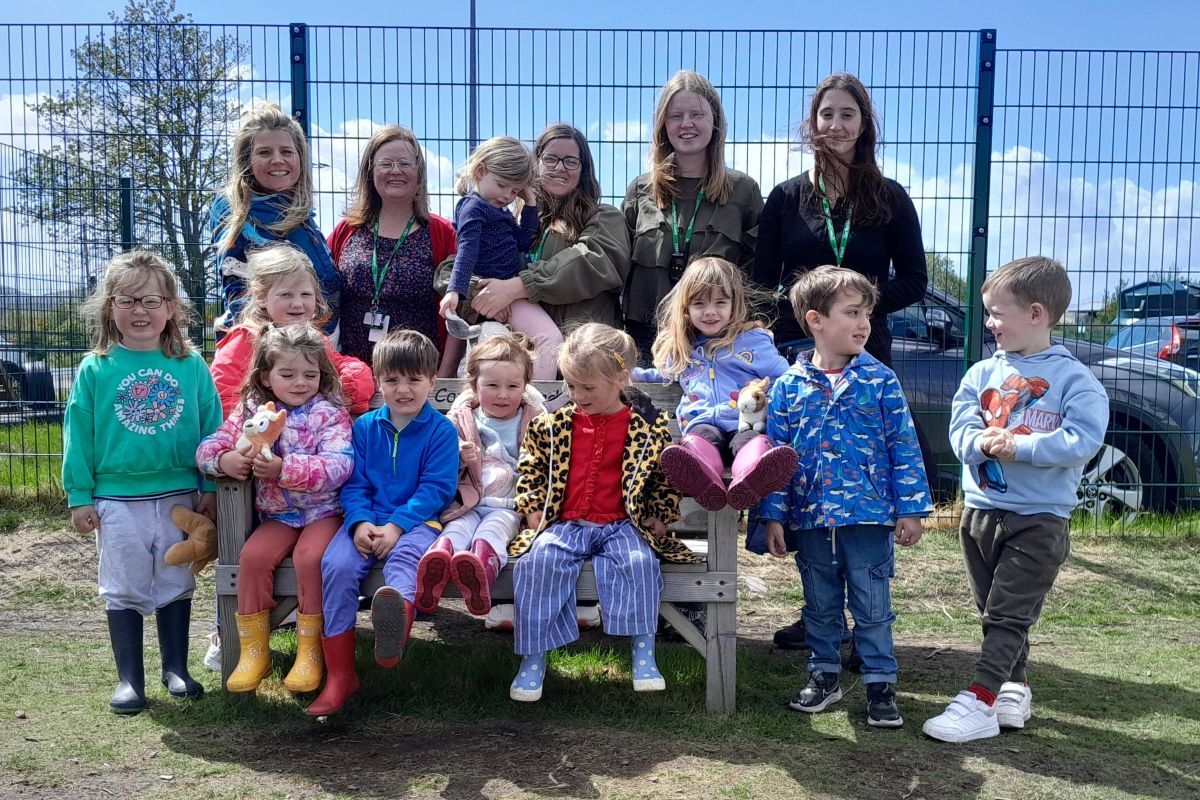
During International Day of the Midwife, my wife, newborn son and I attended a family support event in Bowmore, and it was genuinely encouraging to see the level of support available for families.
On Islay people such as Tina Cunningham and Greta McLellan provide an invaluable service to our community, helping support parents and young families during some of the most important moments in life. Their dedication deserves recognition and appreciation.
Congratulations to Special Constable Donald Ewen Darroch MBE
Finally, I would also like to congratulate Special Constable Donald Ewen Darroch MBE for his remarkable service to the Island of Jura.
For nearly 30 years, Donald has helped keep the island safe, often serving as the only available officer responding to incidents.
His recent recognition through the Long Service and Good Conduct Awards is thoroughly deserved and reflects an outstanding commitment to public service in a remote island community.
His contribution also highlights the important role Special Constables continue to play across rural Scotland, particularly in areas where policing challenges can be very different from those faced in urban centres.
Staying in touch across our communities
As always, if there are issues affecting your area that you believe require attention, please do not hesitate to get in touch.
Whether it is concerns surrounding roads, ferry services, housing, local infrastructure or wider community matters, I will continue doing my best to represent residents across the ward and ensure local voices are heard.
Direct feedback from constituents remains extremely important and helps highlight the issues that matter most to our communities.
I greatly appreciate everyone who continues to contact me, raise concerns, provide updates or simply take the time to share their views on local matters.
Working together and maintaining strong community engagement remains vital as we continue facing the many challenges affecting rural and island communities across Argyll and Bute.