










Police roll out body cams in Argyll
Police Scotland’s national roll out of body worn video to frontline officers concluded this month, with officers on duty with the cameras in Argyll and West Dunbartonshire.


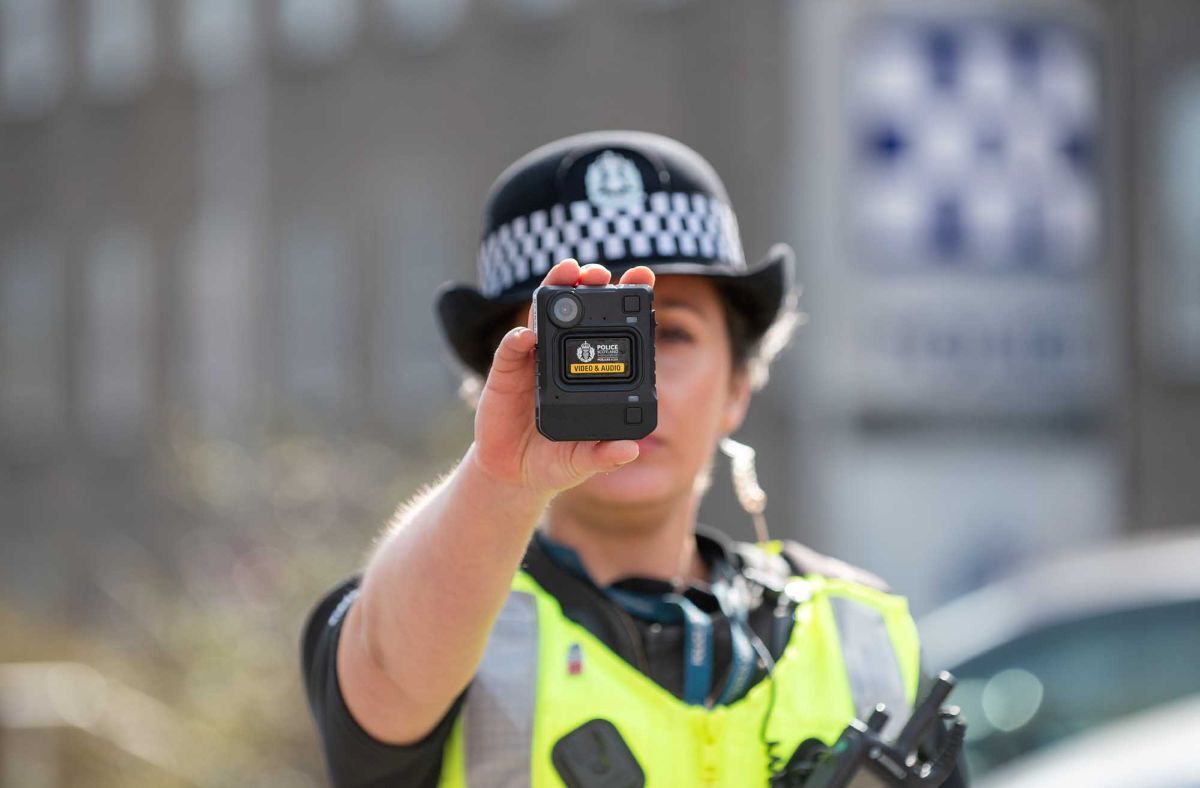
Around 400 officers including road policing officers, dog handlers and custody staff, will be provided with devices over the coming weeks.
The equipment can help to de-escalate incidents, improve public trust in policing and reduce complaints, as well as support officer and staff safety, and bring wider benefits to the criminal justice system.
Since its introduction in March 2025, over 864,000 recordings have been captured by the devices with almost 174,000 hours of footage uploaded of which over 55, 000 media files have been exported to our digital evidence sharing system, DESC.
Since taking command in October 2023, Chief Constable Jo Farrell has prioritised the introduction of body worn video.
Divisional Commander, Chief Superintendent Gary I’Anson said: “The national roll out of body worn video cameras to our frontline officers is a key priority for us and is one of the ways that we can work towards our vision of safer communities and less crime.
“The cameras and technology will improve the quality of evidence presented in court to deliver faster justice for victims by increasing early guilty pleas and reduce the time spent at court for victims, witnesses and police officers.
“Body worn video can significantly enhance public confidence and support officer and public safety by providing effective and transparent evidence of police and public interactions.
"There is strong public and partner support for body worn video and we will continue to explain our use of this important technology including assurance around data privacy and human rights considerations."
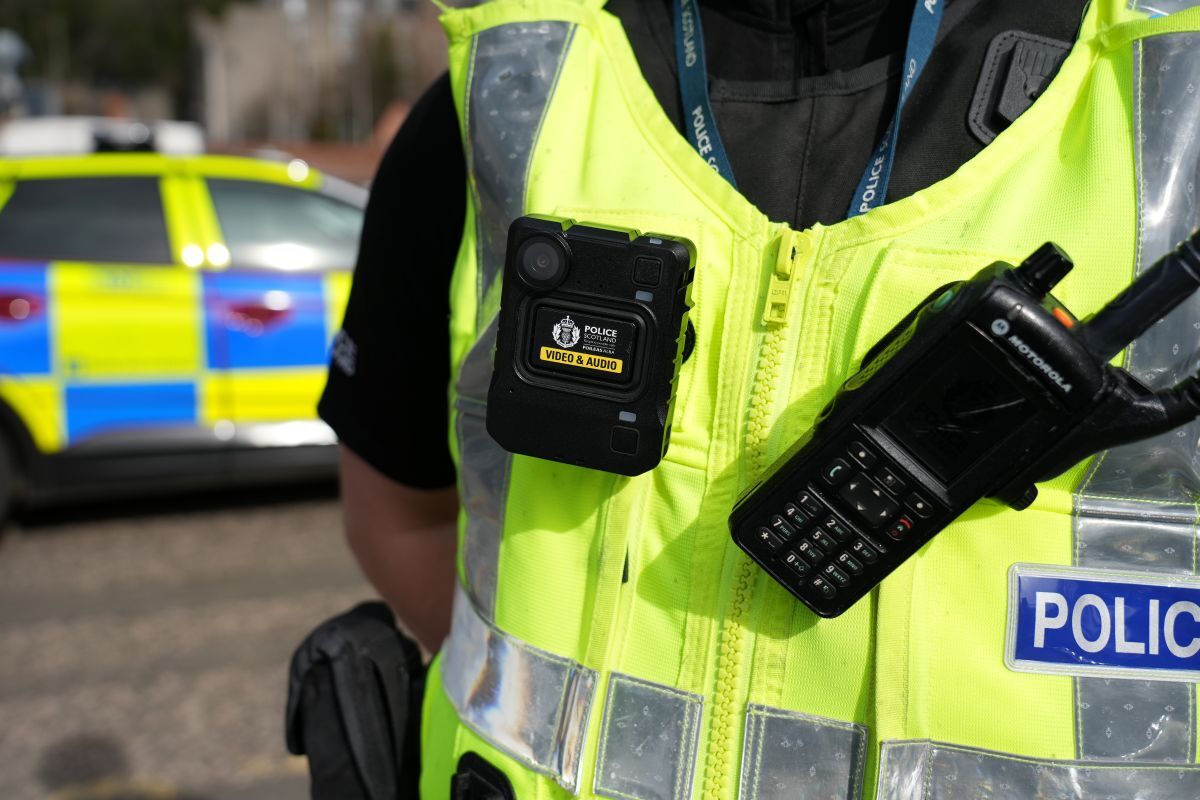
Every frontline uniformed police officer, including Special Constables, will be expected to wear a video camera on their uniform while on duty and to activate it when using police powers - including stop and search, an arrest of a suspect or executing a search warrant.
Police staff in custody suites will also use cameras when interacting with people in custody.
The footage may be used as evidence, but it will not replace existing procedures and requirements when gathering all available information. It will remain a matter for the Crown Office and Procurator Fiscal Service (COPFS) to review and determine competence on a case-by-case basis.
Video footage will be uploaded to secure police systems and the evidence will be shared with the COPFS using the new Digital Evidence Sharing Capability (DESC) system.
The introduction of body worn video is not intended to encourage the greater use of single police officer deployments or alter current deployment models for policing in Scotland.
Latest News




JOBS
Office Co-ordinator (Sales & Marketing) - Midton Acrylics Ltd
Sign up to our daily Newsletter
Permission Statement

Yes! I would like to be sent emails from West Coast Today
I understand that my personal information will not be shared with any third parties, and will only be used to provide me with useful targeted articles as indicated.
I'm also aware that I can un-subscribe at any point either from each email notification or on My Account screen.
You may also like

Rockers at the ready for Rock “n” Blues Fest

Coll letting units approved


Juniors play for Booker Trophy



Latest News
JOBS
Office Co-ordinator (Sales & Marketing) - Midton Acrylics Ltd
Sign up to our daily Newsletters
Permission Statement
Yes! I would like to be sent emails from West Coast Today
I understand that my personal information will not be shared with any third parties, and will only be used to provide me with useful targeted articles as indicated.
I'm also aware that I can un-subscribe at any point either from each email notification or on My Account screen.



© 2026 Wyvex Media Limited.