










Seeing Stars: X marks the spot!
Keith Wilson has had a lifelong interest in the night sky and has written for space and astronomy publications in both the UK and USA. He lives under the dark night skies of the Isle of Gigha.


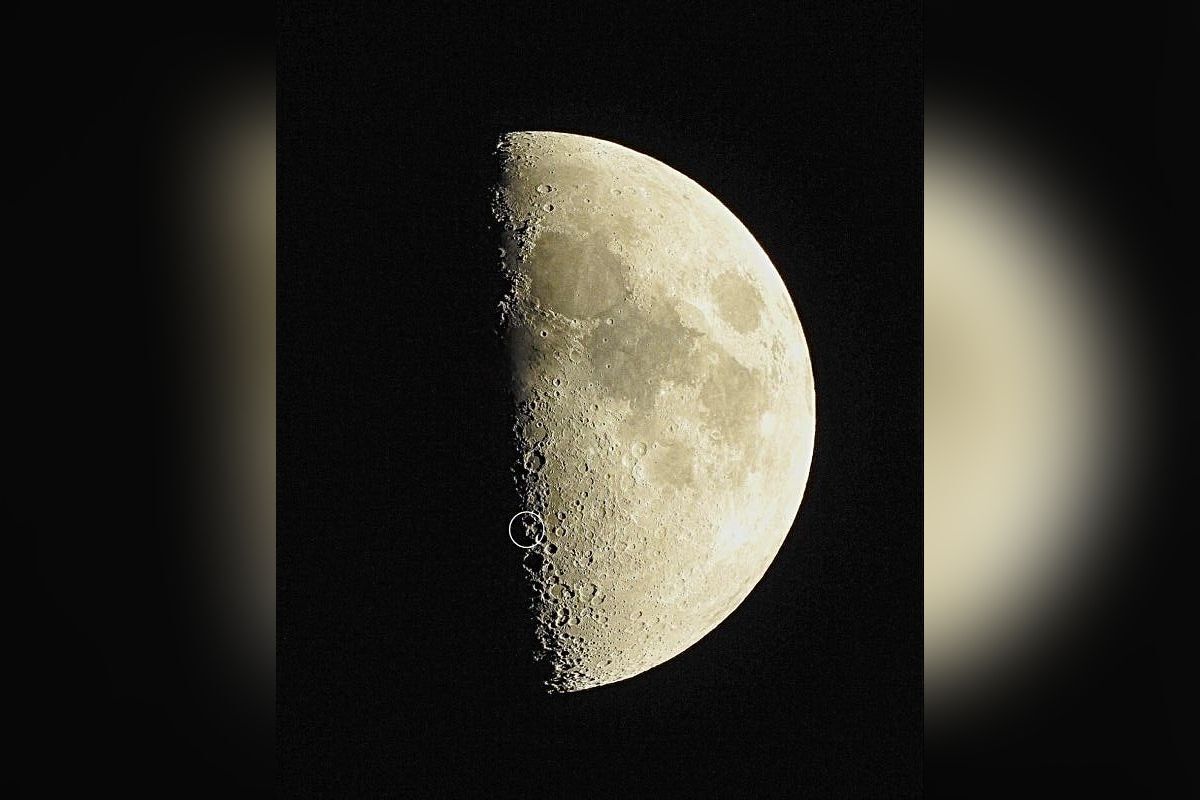
Here is a challenge for Kintyre stargazers this month. Have you heard of the Lunar X? It doesn’t mark the spot of anything in particular. It’s a famous optical feature on the moon, visible through binoculars and telescopes.
When the moon’s terminator – that’s the line between light and dark on the moon – is located in just the right place, you can see a letter X on the moon’s surface.
The Lunar X is created by sunlight falling on the rims/ridges between three craters at a shallow angle. The craters are La Caille, Blanchinus and Purbach and while their rims are illuminated, their floors are in shadow.
You can see the Lunar X at each cycle of the moon, but only for a short time, around four hours at the Moon’s First Quarter phase.
To find it, aim your binoculars or telescope at the Moon’s terminator. Then find the middle of that line and look slightly south.
You can see it, weather permitting, on the night of Saturday May 23 into Sunday May 24. The best viewing time is between 11pm and 2am. The peak time to see it is at 12.45am on May 24.
This May is a great time to spot the Lunar X as the Moon will be high in the sky and it will be dark enough at that time.
You need to have a clear sky and even when the Moon is visible, thin clouds can wash out the Lunar X because it is a fairly small feature on the Moon.
You can see it with 10x50 binoculars but you will need to keep them very steady by using a tripod or leaning the binoculars against something.
If you miss out seeing the Lunar X then there is one object in the night sky this month you certainly can’t miss – the planet Venus.
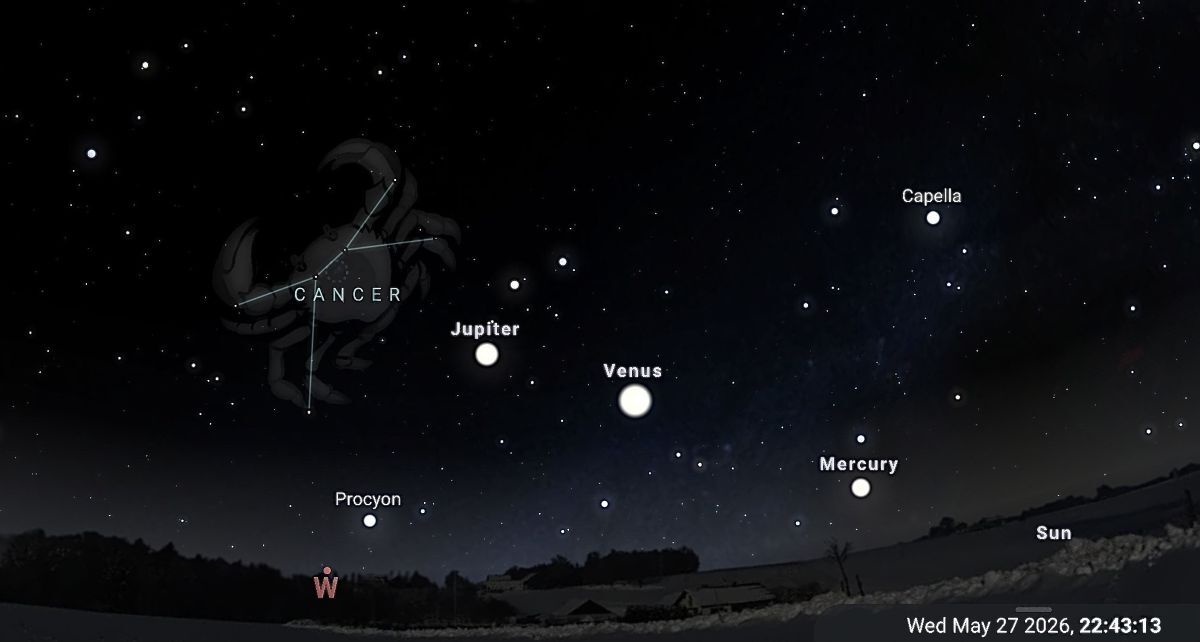
It is a real treat for skywatchers this month, especially at twilight when it appears as a brilliant naked-eye star-like object in the north-west.
If you are observing at the end of the month then look down to the lower right of Venus and try to spot the tiny planet Mercury. Look above and to the left and you will find Jupiter.
Why not try these links to see what our West Coast AI can tell you.
(Please note this is an experimental service)
Latest News




JOBS
Summer Student - Council Tax - ARB17959 - Argyll and Bute Council
Sign up to our daily Newsletter
Permission Statement

Yes! I would like to be sent emails from West Coast Today
I understand that my personal information will not be shared with any third parties, and will only be used to provide me with useful targeted articles as indicated.
I'm also aware that I can un-subscribe at any point either from each email notification or on My Account screen.
You may also like



Seeing Stars: Blue Moon
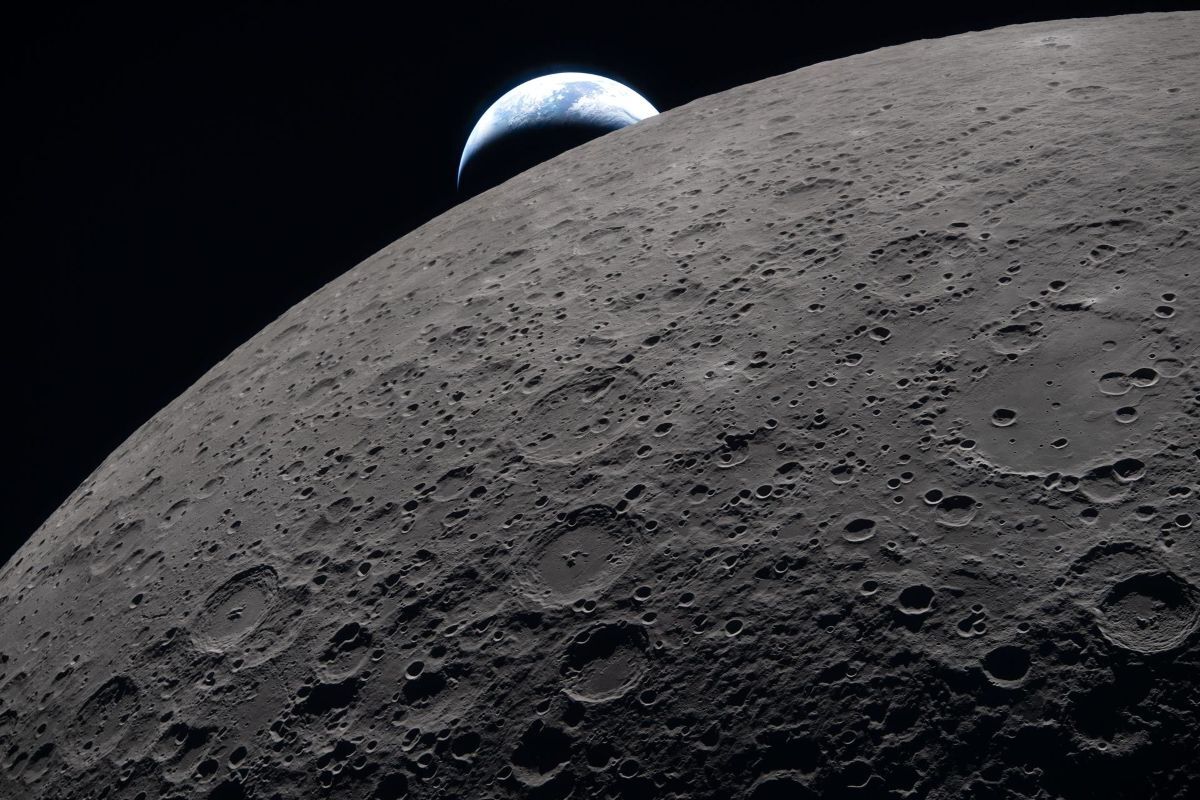
Seeing Stars: Moon myths
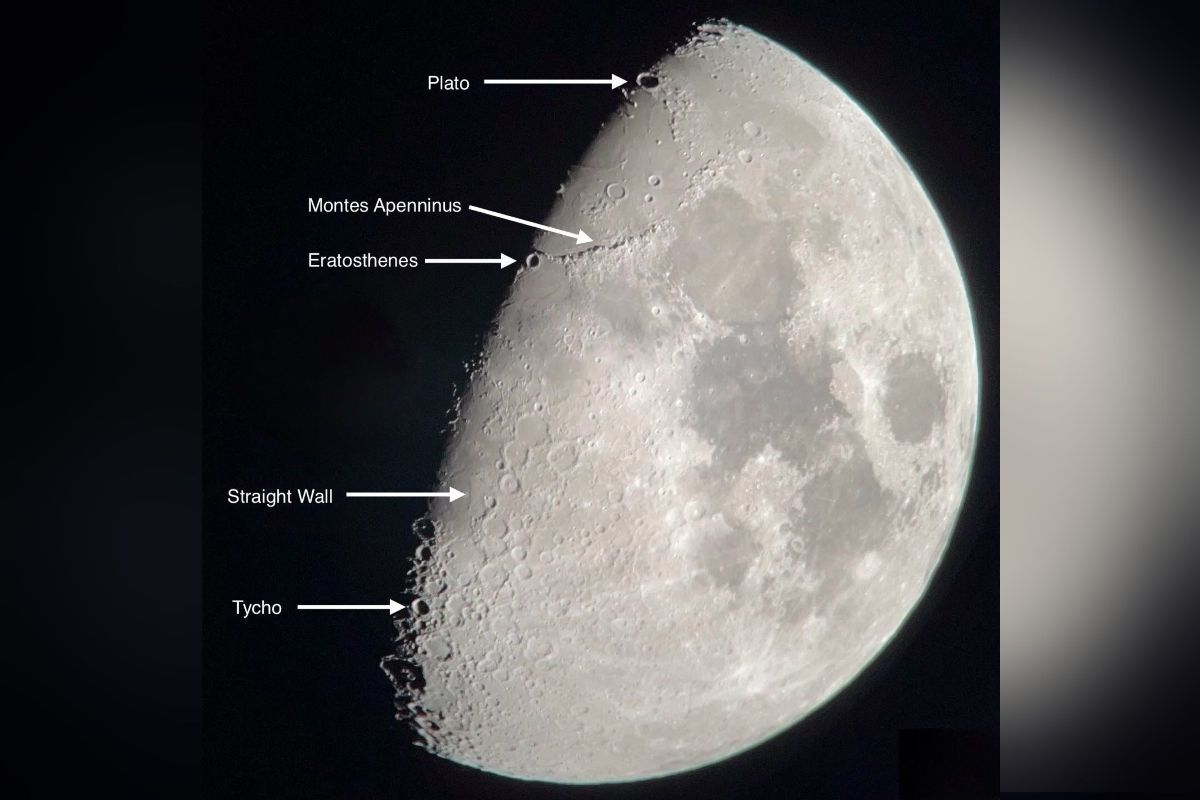
Seeing Stars: The Moon’s terminator
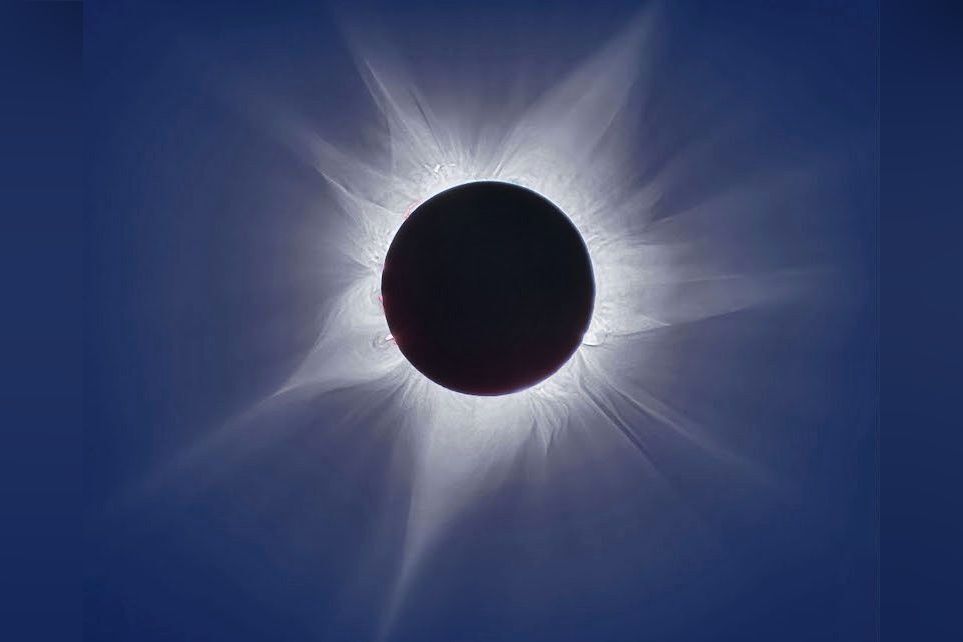
Seeing Stars: Total solar eclipses
Latest News

JOBS
Summer Student - Council Tax - ARB17959 - Argyll and Bute Council
Sign up to our daily Newsletters
Permission Statement
Yes! I would like to be sent emails from West Coast Today
I understand that my personal information will not be shared with any third parties, and will only be used to provide me with useful targeted articles as indicated.
I'm also aware that I can un-subscribe at any point either from each email notification or on My Account screen.



© 2026 Wyvex Media Limited.