










Speaker's corner: Baroness MacLeod of Camusdarach
Catherine MacLeod - Baroness MacLeod of Camusdarach - received a life peerage on January 16 2026. She attended primary school in Mallaig and secondary school at Lochaber High School before moving onto Inverness Royal Academy. A journalist for many years Baroness Macleod spent 15 years in the parliamentary lobby. On Friday March 6 - International Women’s Day - she made her maiden speech in the House of Lords. Here is some of what she had to say.


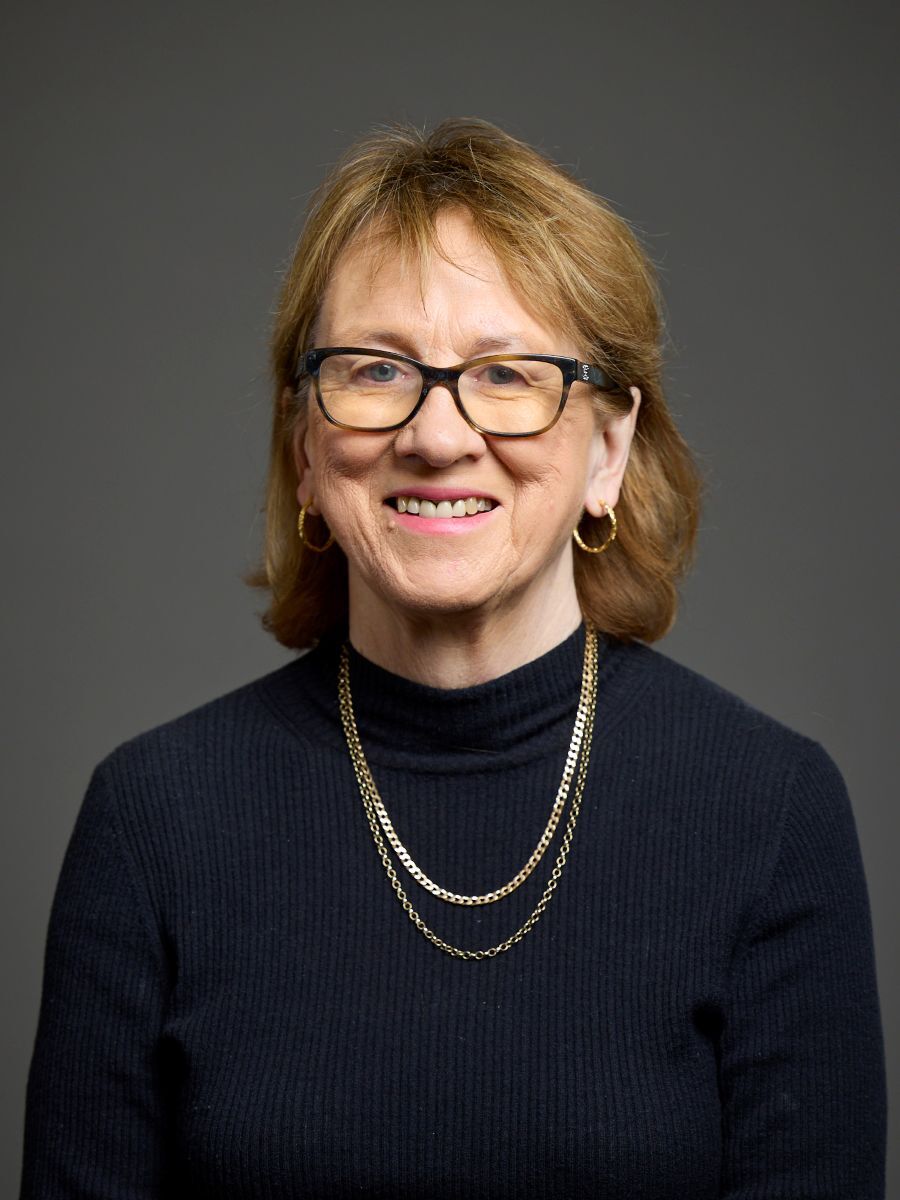
"I was born in Glencoe. My mother, a teacher, was from Kinlochleven in Argyll and my father, a police officer, had hailed from Achiltibuie on the Coigach peninsula in Wester Ross.
"I called myself Baroness MacLeod of Camusdarach - its English translation is "the bay of oaks" - because Camusdarach in Lochaber is a place dear to my heart and very close to where I grew up, looking out to the south end of Skye and to Eigg and Rùm.
"I spent the first 10 years of my life in Mallaig, and I was lucky to be brought up in a community where hard work and intelligence were highly respected.
"There were clever teachers, doctors, ministers and priests, clever fishermen who knew how to find fish, ships’ captains who daily ploughed the Minch, fish salesmen, train drivers, tradesmen, crofters, storytellers, musicians and community stalwarts.
"Women in these communities played a pivotal role. Often, their partners were at sea and times were tough, but they brought up their children and coped with the daily challenges of worrying about bad weather and the uncertainty of boats landing safely.
"Often, they had jobs outside the home, gutting fish or working in hotels. All were striving to put food on the table.
"Despite the hardships, their spirits remained mostly undiminished and they enriched the fabric of our lives.
"These people are the forebears of the people who are still keeping the Highlands alive against the odds.
"The Highlands have huge potential, but their development is hindered by neglect and a growing lack of investment. If they are going to prosper, and they could lead the renewables revolution in the United Kingdom, that needs to change.
So too does the establishment’s attitude to the Gaelic language, still surviving against the odds. I should declare an interest because I am on the development trust of Sabhal Mòr Ostaig, the National Centre for the Gaelic Language and Culture, on Skye.
"To survive, it still desperately needs help. It has always struck me as odd that in London we can be exercised about losing famous paintings and other memorabilia but sit back while the UK’s oldest spoken language withers on the vine and, with it, its traditions, music and poetry.
"One of the great cultural successes in the Highlands is a recent musical revival. Musicians travel all over the world, proudly sharing their tremendous ability and their cultural inheritance in English and Gaelic.
"Since Brexit, travelling in Europe is more difficult for them. We must try to make it easier.
"Women are pivotal to keeping the language and culture alive. Today, as we celebrate International Women’s Day, a momentous celebration of women is taking place."
To mark the occasion Lochaber musicians Ingrid Henderson and Iain Mcafarlane wrote a march - Baroness Ceit of Camusdarach - to coincide with her introduction.
Watch the full speech below.
Why not try these links to see what our West Coast AI can tell you.
(Please note this is an experimental service)
Latest News
JOBS
Hatchery RAS Technician (Lochailort) - Mowi Scotland
Sign up to our daily Newsletter
Permission Statement

Yes! I would like to be sent emails from West Coast Today
I understand that my personal information will not be shared with any third parties, and will only be used to provide me with useful targeted articles as indicated.
I'm also aware that I can un-subscribe at any point either from each email notification or on My Account screen.
You may also like


Latest News
JOBS
Hatchery RAS Technician (Lochailort) - Mowi Scotland
Sign up to our daily Newsletters
Permission Statement
Yes! I would like to be sent emails from West Coast Today
I understand that my personal information will not be shared with any third parties, and will only be used to provide me with useful targeted articles as indicated.
I'm also aware that I can un-subscribe at any point either from each email notification or on My Account screen.



© 2026 Wyvex Media Limited.