










Campaign targets illegal picking of native oysters
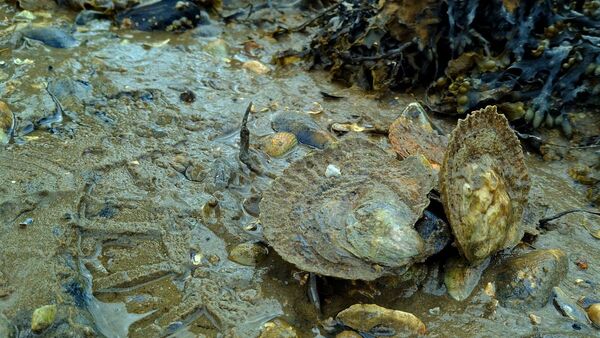
A collaborative effort is underway to protect one of Scotland’s most threatened marine species, the native oyster Ostrea Edulis.


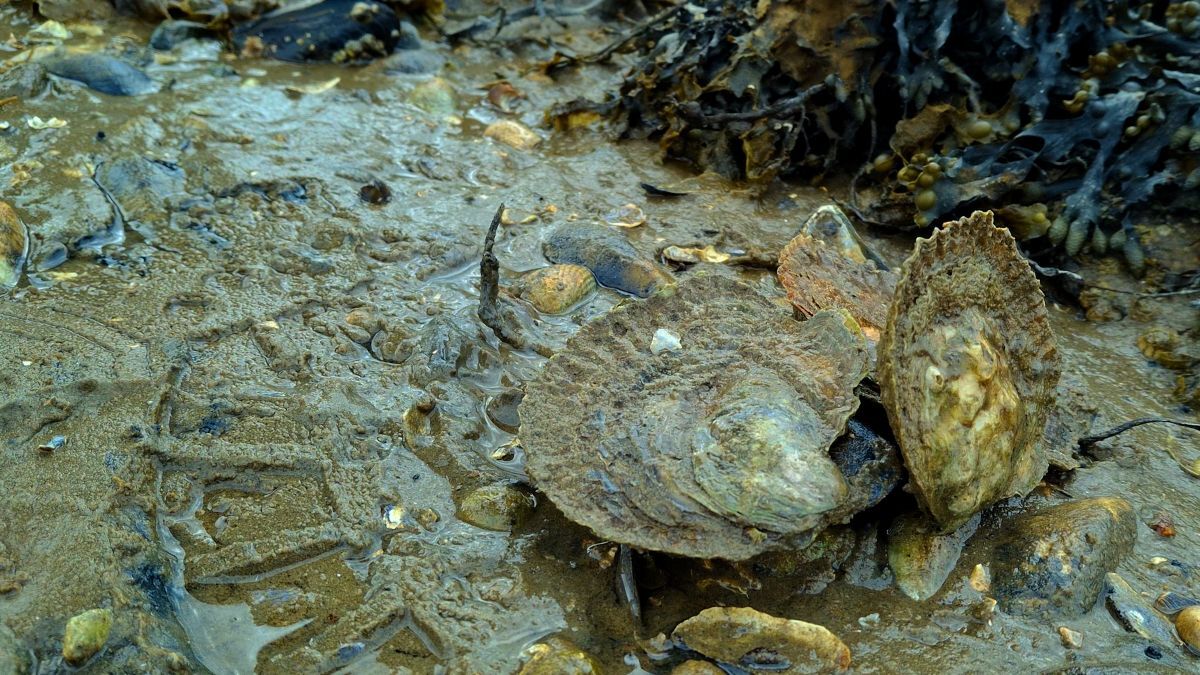
Together, Highlands Rewilding, NatureScot, Friends of the Sound of Jura, and the Tayvallich community are taking practical steps to dissuade visitors from removing oysters from Loch Sween.
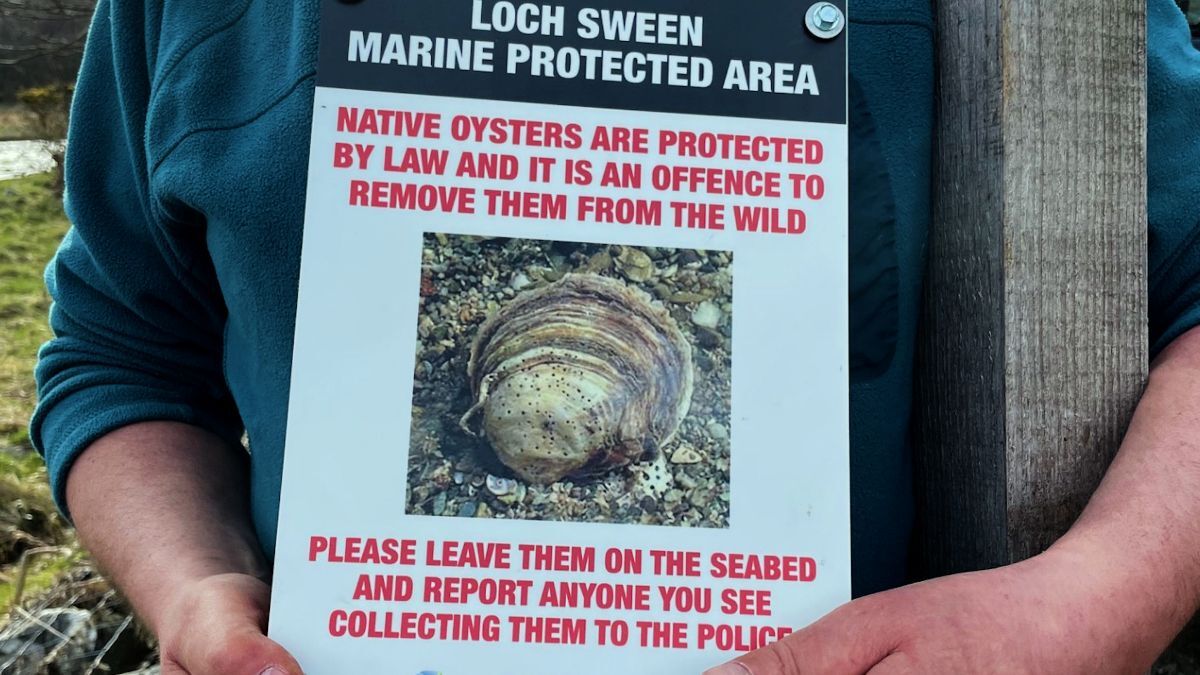
Four new signs have now been installed at key intertidal access points around Loch Sween MPA (Marine Protected Area), raising awareness of the legal protections surrounding native oysters and the urgent need to safeguard this fragile population.
This action follows growing concern about the decline of native oysters in Loch Sween and surrounding waters. A 2024 survey led by Highlands Rewilding and covering one portion of the MPA, recorded fewer than 50 oysters across a 6km stretch of intertidal habitat. No juveniles were found, and individuals were widely dispersed.

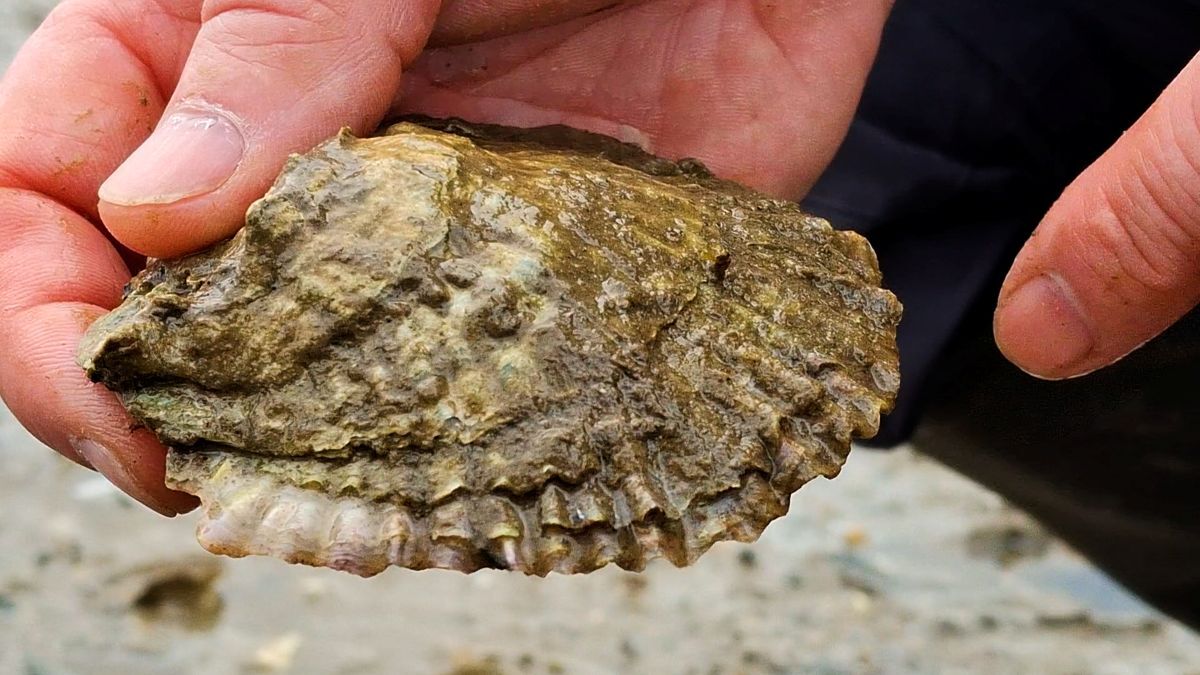
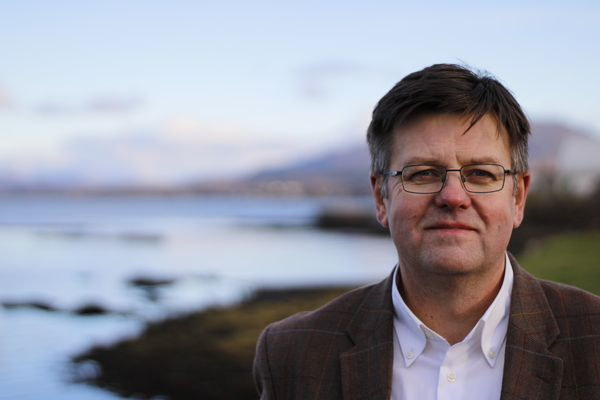
Highlands Rewilding’s Marine Lead and native oyster specialist, Dr. David Smyth, says: “In six kilometres of shore survey, I only found 47 oysters. In a ‘prolific’ population, you should be finding 100,000”.
He explains that while oysters are still present, and further dive and intertidal surveys being planned, they are too widely dispersed to reproduce effectively, making larval exchange highly unlikely. These recordings point to a “biologically non-functional population.”
The absence of empty shells suggests that this decline is not driven by disease, but more likely by sustained harvesting pressure over time.
Native oysters are not covered by public gathering rights. Within the MPA, all forms of oyster collection, whether by hand, dredge or trawl, are illegal and strictly prohibited.
Despite this, anecdotal evidence from the local community suggests that hand gathering has taken place for decades. As populations have declined, commercial activity has reduced, but small-scale collection by individuals may still be contributing to ongoing pressure.
The newly installed signs aims to address this knowledge gap directly, and protect any future oyster restoration efforts from the danger of hand gathering. Most people gathering shellfish are not acting with malicious intent but simply lack awareness of both the law and the ecological fragility of the species. When populations are depleted, the removal of even a small number of oysters can significantly hinder any chance of recovery.
Through collaboration between a science-led rewilding organisation, a national public body, local conservation groups, and the community itself, practical steps are being taken to protect and restore this iconic species. Children from the local wildlife club played a hands-on role in installing the signage, reflecting a shared commitment to protecting the loch.
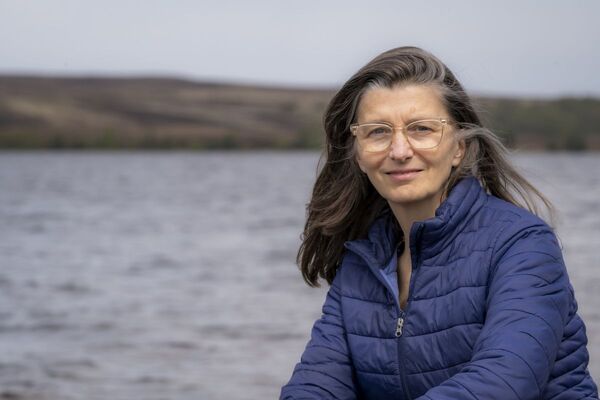
Mary-Lou Aitchison, Founder of the Tayvallich Wildlife Club, said: “We are a group of families from Tayvallich who care about the future of the land and sea here. The children in the club will become tomorrow’s campaigners for nature, biodiversity and wild places.”
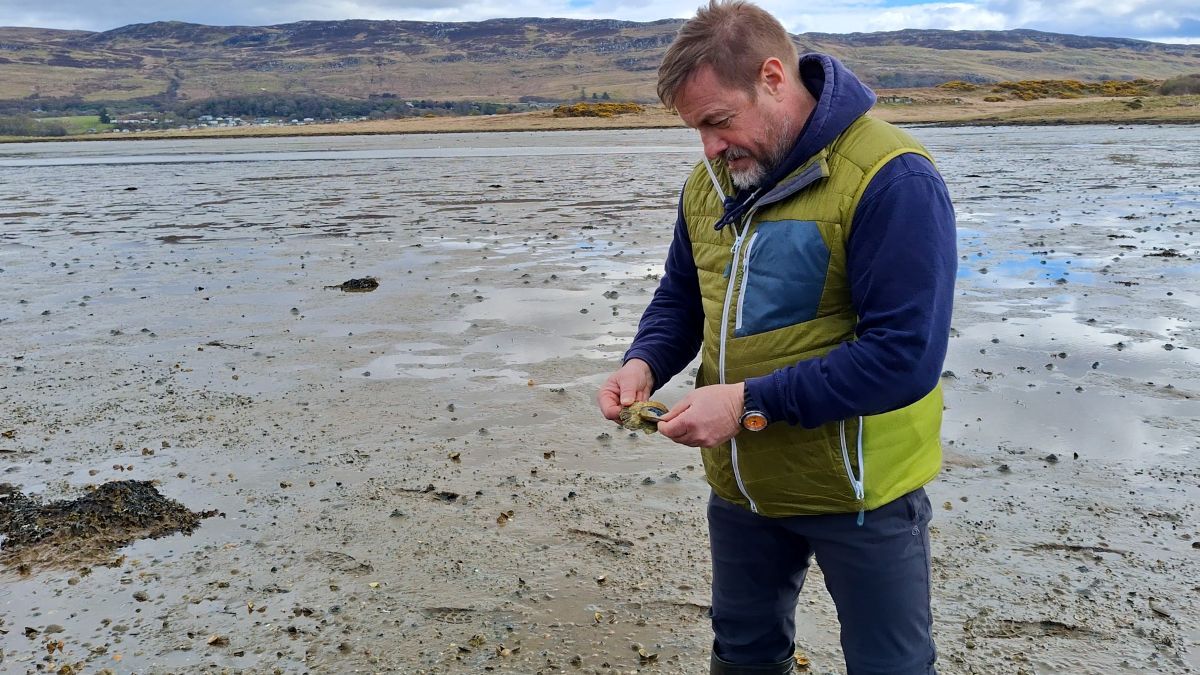
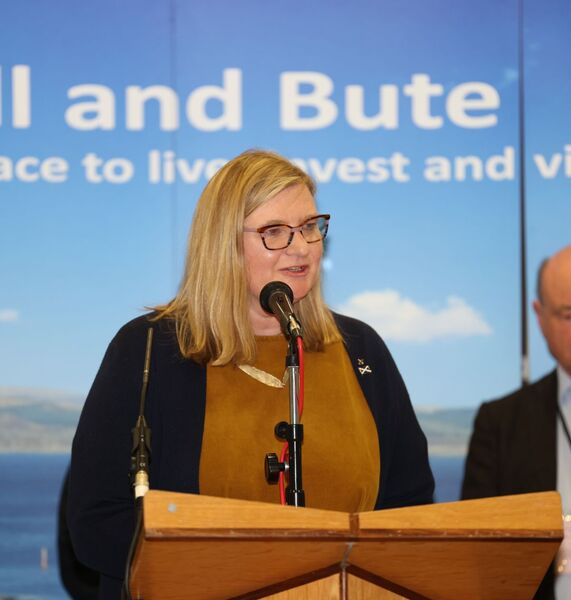
Cass Bromley, NatureScot Marine Enhancement Advisor said: “NatureScot is working with Highlands Rewilding and Friends of the Sound of Jura to try and reduce illegal poaching at Loch Sween MPA. We hope the signs bring some clarity on how native oysters are protected under the law in Scotland. Collaborative efforts and community stewardship such as this are vital for protecting the marine environment.”
The Chair of Friends of the Sound of Jura added: “Native oysters are very precious to the community here and to the sea – the ecosystem – so let’s treasure them, let’s look after them. Let’s not just see them as a resource that dwindles away until they’re gone. Let’s be proud of them.”
Illegal and unregulated shellfish gathering is not unique to Loch Sween. Across the UK, fisheries enforcement results in hundreds of prosecutions each year - yet marine offences like shellfish harvesting remain particularly difficult to police. This highlights a broader challenge: protecting vulnerable marine species requires not only regulation, but widespread public understanding and community stewardship.
The signage marks just one part of a wider effort; a public awareness film about Loch Sween’s oysters is also in development, aiming to further build understanding and support, and more surveys will be carried out to inform future stewardship.
Why not try these links to see what our West Coast AI can tell you.
(Please note this is an experimental service)

Sign up to our daily Newsletter
Permission Statement

Yes! I would like to be sent emails from West Coast Today
I understand that my personal information will not be shared with any third parties, and will only be used to provide me with useful targeted articles as indicated.
I'm also aware that I can un-subscribe at any point either from each email notification or on My Account screen.
You may also like





Sign up to our daily Newsletters
Permission Statement
Yes! I would like to be sent emails from West Coast Today
I understand that my personal information will not be shared with any third parties, and will only be used to provide me with useful targeted articles as indicated.
I'm also aware that I can un-subscribe at any point either from each email notification or on My Account screen.


© 2026 Wyvex Media Limited.