










Kintyre and Mid Argyll beekeepers issue swarm warning to householders
Kintyre and Mid Argyll Beekeeping Association is encouraging householders to take a few simple steps this spring to make chimneys, roof spaces, sheds and wall cavities less attractive to honey bee swarms.


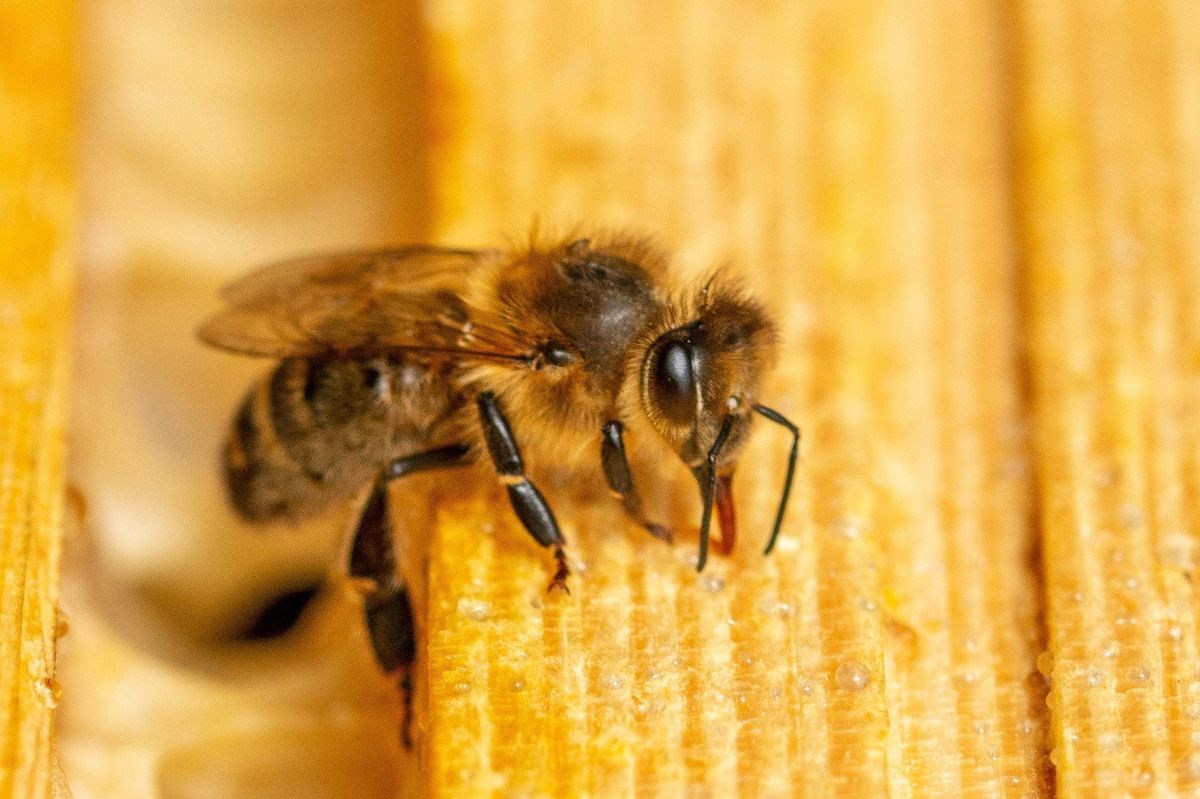
As warmer weather arrives, people may begin to notice swarms in gardens, trees, chimneys and buildings, and even on parked cars. While a swarm can look dramatic, it is a natural and necessary part of the honey bee life cycle.
When a colony becomes crowded, thousands of bees leave with the older queen to look for a new home, leaving a new queen behind to take over.
Swarming bees are usually not aggressive, but they should not be disturbed. Anyone who sees a swarm should keep a safe distance, avoid waving their arms, and never try to smoke, spray or block the bees in.
Honey bees are attracted to dark, sheltered spaces, especially where there is an opening into a chimney, roof void, shed or wall cavity.
Householders can reduce the risk by checking for gaps, fitting appropriate chimney guards or mesh where safe to do so, and ensuring unused outbuildings are kept in good repair.
The association provides public information about honey bee swarms through its website, including guidance on what to do if a swarm appears, when local beekeepers may be able to help, and situations where they cannot, such as when bees are inside buildings.
It also offers support to local beekeepers, from complete beginners to experienced colony owners.
Alongside practical advice and local support, members have access to online tools designed to help with inspections, swarm risk and forage conditions.
One tool, the Swarm Outlook, has been made publicly available at kintyrebeekeepers.com/swarm-forecaster to help beekeepers manage colonies responsibly and reduce avoidable swarm problems.
Weather plays a large part in swarming activity and, after a recent cold spell, the association says pent-up swarms may emerge at the first sign of good weather.
“Swarming is natural, but it can become a problem when bees move into chimneys, roof spaces or wall cavities,” said Murray Oxborrow, chair of the Kintyre and Mid Argyll Beekeeping Association. “A little prevention can save householders a lot of difficulty later.”
John Richardson, the association’s secretary, added: “We also want local beekeepers and those thinking about it to know they are not on their own.
“We have locally developed tools that can help people become better beekeepers, and it is never too late to join.”
The association welcomes anyone interested in honey bees and beekeeping.
Visit kintyrebeekeepers.com for more information, including swarm advice, membership details and beekeeping resources.
Why not try these links to see what our West Coast AI can tell you.
(Please note this is an experimental service)
Latest News




JOBS
Receptionist and Administrative Assistant in a busy law firm - DM MacKinnon Solicitors
Sign up to our daily Newsletter
Permission Statement

Yes! I would like to be sent emails from West Coast Today
I understand that my personal information will not be shared with any third parties, and will only be used to provide me with useful targeted articles as indicated.
I'm also aware that I can un-subscribe at any point either from each email notification or on My Account screen.
You may also like


Wee Toon Ukulele Band hits the right note

Windfarm powers eight projects



Latest News

JOBS
Receptionist and Administrative Assistant in a busy law firm - DM MacKinnon Solicitors
Sign up to our daily Newsletters
Permission Statement
Yes! I would like to be sent emails from West Coast Today
I understand that my personal information will not be shared with any third parties, and will only be used to provide me with useful targeted articles as indicated.
I'm also aware that I can un-subscribe at any point either from each email notification or on My Account screen.



© 2026 Wyvex Media Limited.