










Highland hotel robbers among Inveraray Jail records online
Newly published records for Inveraray Jail have cast fresh light on some of Scotland’s most notorious criminals.



The infamous 19th century Highland Hotel Robbers are among thousands of names now added to the public record of inmates that were incarcerated in Inveraray from 1820 to 1889.
On Tuesday April 14 the National Records of Scotland (NRS) announced that their records had been updated, giving the public access to more than 400,000 historical prison records. In Tuesday’s announcement the NRS highlighted the case of Victorian thieves who travelled through Scotland targeting wealthy hotel guests and stealing valuables including cash and jewellery.
In the summer of 1883, American James Edward Lyon and his young accomplice Eliza Thorpe plied their illicit trade at high-end establishments from Argyll to Aberdeenshire.
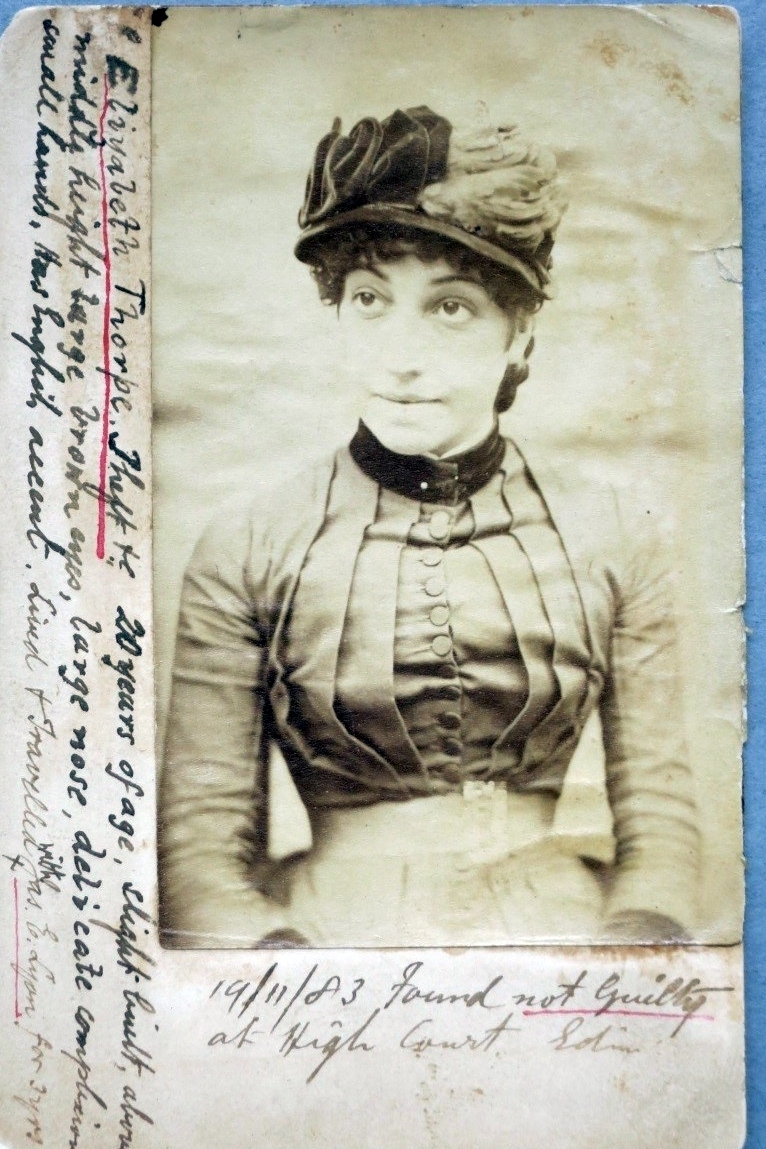
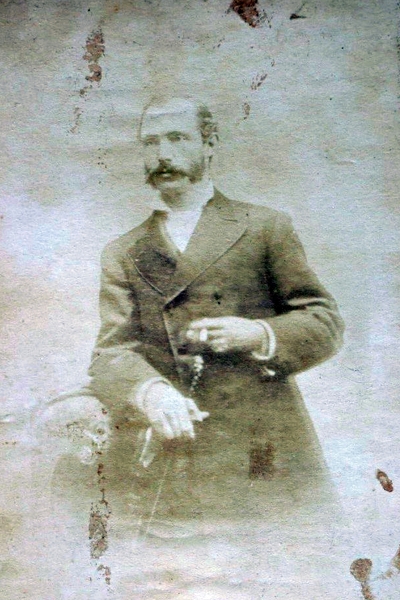
They were apprehended after it became apparent that Lyon and Thorpe always seemed to be in the vicinity when the robberies took place.
The pair, who travelled as husband and wife, were arrested at a hotel in Edinburgh. Their associate Joseph Dowling was caught red handed with some of the stolen items.
At their trial the men were convicted but the case against Thorpe, who was 20 years old, was found not proven. Lyon was sentenced to seven years in Inveraray Jail.
Photographs of Lyon, Thorpe and Dowling were kept in an album of interesting cases by the local procurator fiscal.
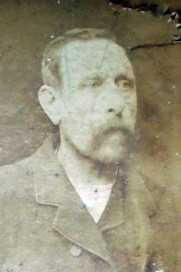
Their entries in the registers for Inveraray prison are among 4,600 for that jail now on Scotland’s People, the official site for Scottish government records.
Men, women and children were incarcerated at the jail in the 19th century. The youngest was seven-year-old James McCulloch who was caught stealing, the oldest 82-year-old Ann Kerr found guilty of ‘vagrancy’.
The newly published records will simplify research for people tracing their ancestry, as archivist Veronica Schreuder explained.
“Prison registers are a rich source of information for social researchers and family historians alike,” she said.
“While it can be a shock to find an ancestor in prison, it can sometimes lead to details that are unlikely to have been preserved for most people.
“Finding out the colour of their hair, details of their health or whether they could read or write can turn a name and some dates into a much more rounded person.
"And of course, if they have committed a serious crime, it can explain a lot about the decisions of other relatives such as moving area, changing a name or simply never talking about them.”
Why not try these links to see what our West Coast AI can tell you.
(Please note this is an experimental service)
Latest News





JOBS
General Manager of a Property Company based in Onich - Telford Management
Sign up to our daily Newsletter
Permission Statement

Yes! I would like to be sent emails from West Coast Today
I understand that my personal information will not be shared with any third parties, and will only be used to provide me with useful targeted articles as indicated.
I'm also aware that I can un-subscribe at any point either from each email notification or on My Account screen.
You may also like





Plans for KGV Park forge ahead
New mill is more than just a yarn
Ardrishaig war hero is remembered 85 years on

Candidates condemn single track option for A83
Latest News

JOBS
General Manager of a Property Company based in Onich - Telford Management
Sign up to our daily Newsletters
Permission Statement
Yes! I would like to be sent emails from West Coast Today
I understand that my personal information will not be shared with any third parties, and will only be used to provide me with useful targeted articles as indicated.
I'm also aware that I can un-subscribe at any point either from each email notification or on My Account screen.



© 2026 Wyvex Media Limited.