










Seeing Stars: Close encounter
Keith Wilson has had a lifelong interest in the night sky and has written for space and astronomy publications in both the UK and USA. He lives under the dark night skies of the Isle of Gigha.


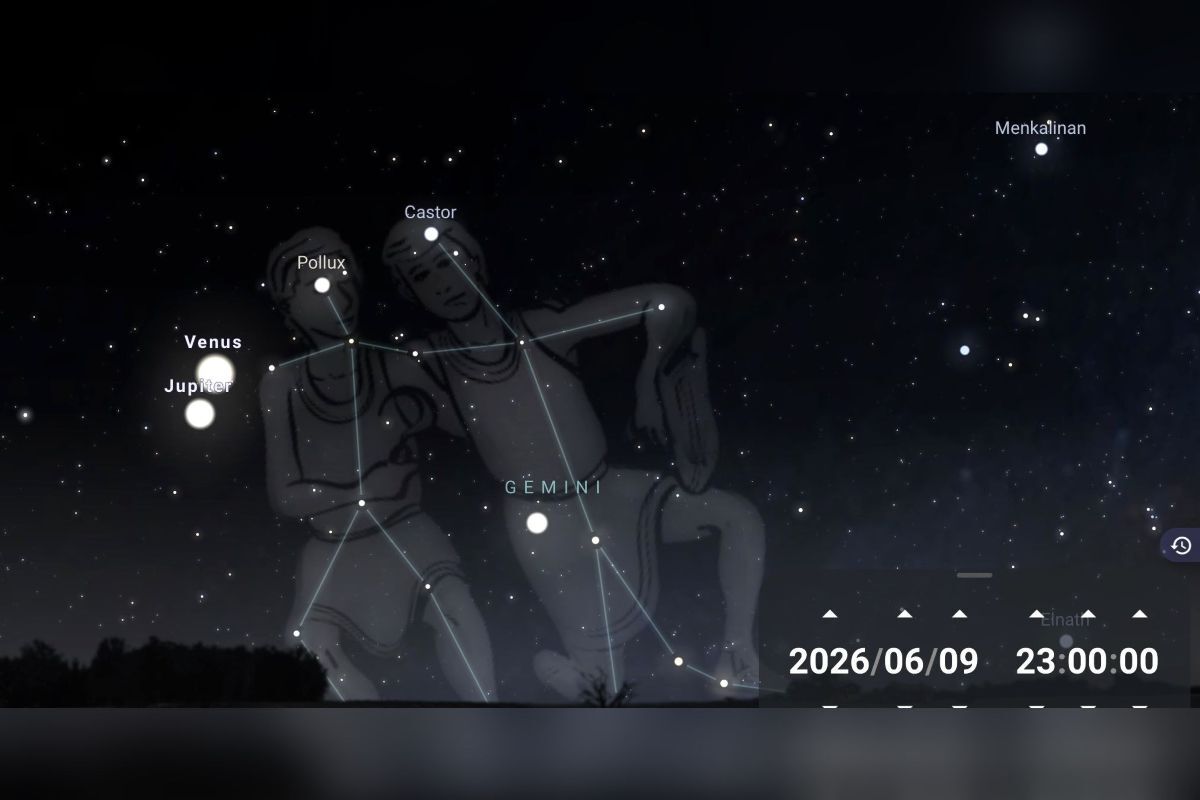
Take a look in the north-west after sunset over the next week and you will see something marvellous!
It’s called a planetary conjunction (close approach) and this happens when two planets appear very close together in our night sky as seen from our perspective on Earth.
Although they look close to one another, they are actually around 700 million miles apart. It is just an apparent phenomenon caused by our vantage point on Earth because the planets orbit the Sun in roughly the same plane and so sometimes appear to pass near to each other.
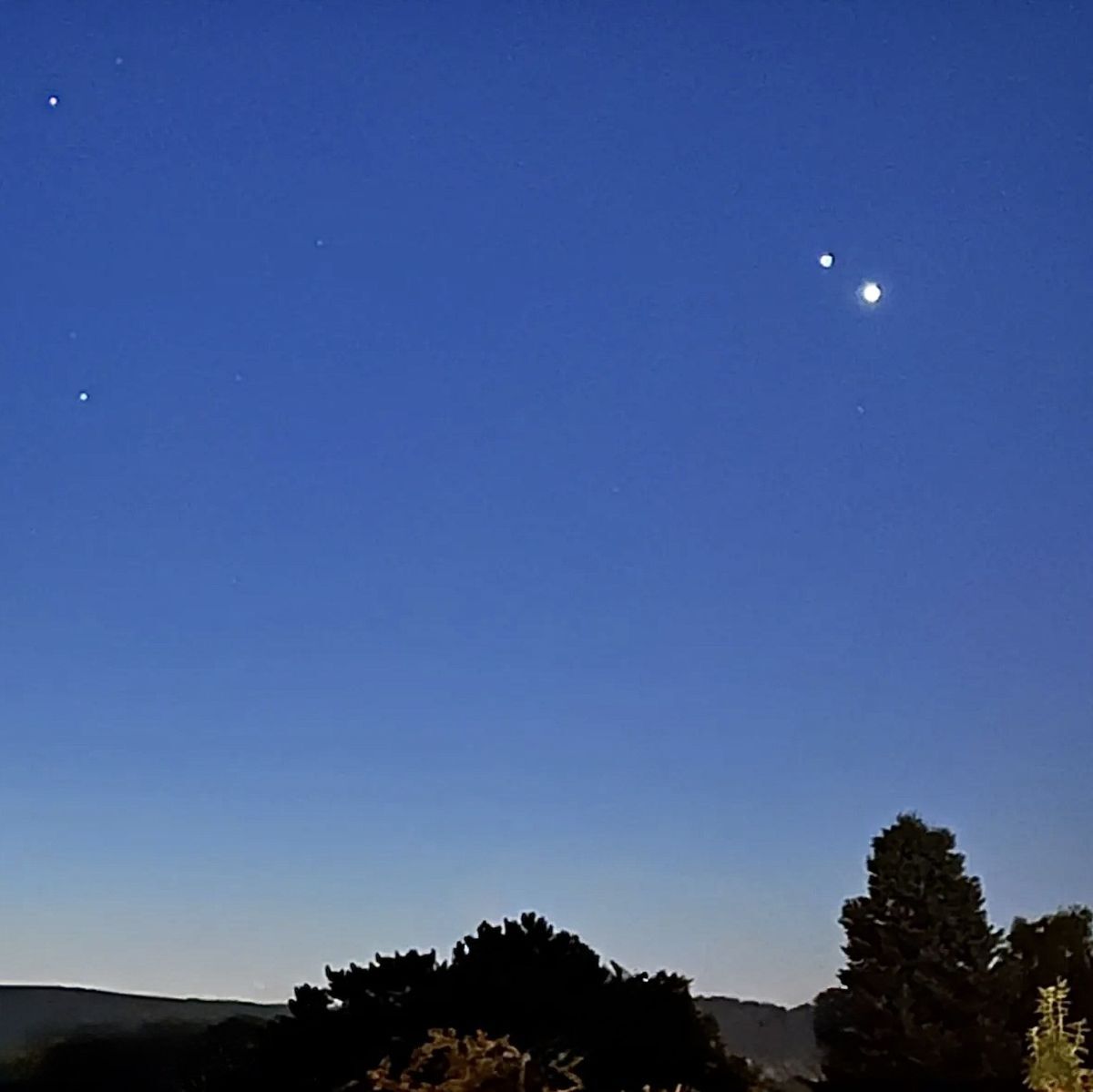
Luckily conjunctions can be seen with just the naked eye so you don’t need a telescope or even binoculars and it is perfectly safe to view.
The two planets involved in the June conjunction are both very bright planets – Venus and Jupiter. They usually make fantastic sights when you see them on their own so a conjunction of these two is even more impressive and is highly regarded by sky watchers.
This conjunction of Venus and Jupiter will be visible in the north-west sky from sunset until they disappear below the horizon at around 11pm.
You need to have a clear view to the north-west as they will be low in sky. If your horizon is clear and the weather cooperates then they won’t be hard to see, as both planets will be very bright points of light, even in twilight.
They will be approximately one finger width apart and just below the stars Castor and Pollux in the constellation of Gemini.
They will be at their closest on June 9 but they will still be close together either side of this date so don’t give up if June 9 is cloudy.
Venus is slowly rising out of the Sun’s glare into the evening sky but as it sets in the west shortly after sunset, you should only attempt to spot it once the Sun is fully below the horizon. As the days go by, it will appear higher in the sky.
On the other hand, Jupiter is heading slowly into the Sun’s glare and by the time we reach the middle of June, it wont be visible at all.
But for June 9, the two planets will pass each other like ships in the night – so don’t miss this event on a clear early June night.
So how close will they get on June 9? The two planets will actually be just 1° apart in the night sky. That’s the same distance in the sky as the width of your little finger held out at arm’s length.
Wait until the Sun has set before trying to spot the two planets. You will then have about an hour to see them before they set. Venus will be the brighter of the two.
They will make a fantastic sight together in the western sky and are easy to photograph – but wait until the Sun has set to protect your eyes and camera. Enjoy the close encounter!
Why not try these links to see what our West Coast AI can tell you.
(Please note this is an experimental service)
Latest News




JOBS
General Manager of a Property Company based in Onich - Telford Management
Sign up to our daily Newsletter
Permission Statement

Yes! I would like to be sent emails from West Coast Today
I understand that my personal information will not be shared with any third parties, and will only be used to provide me with useful targeted articles as indicated.
I'm also aware that I can un-subscribe at any point either from each email notification or on My Account screen.
You may also like



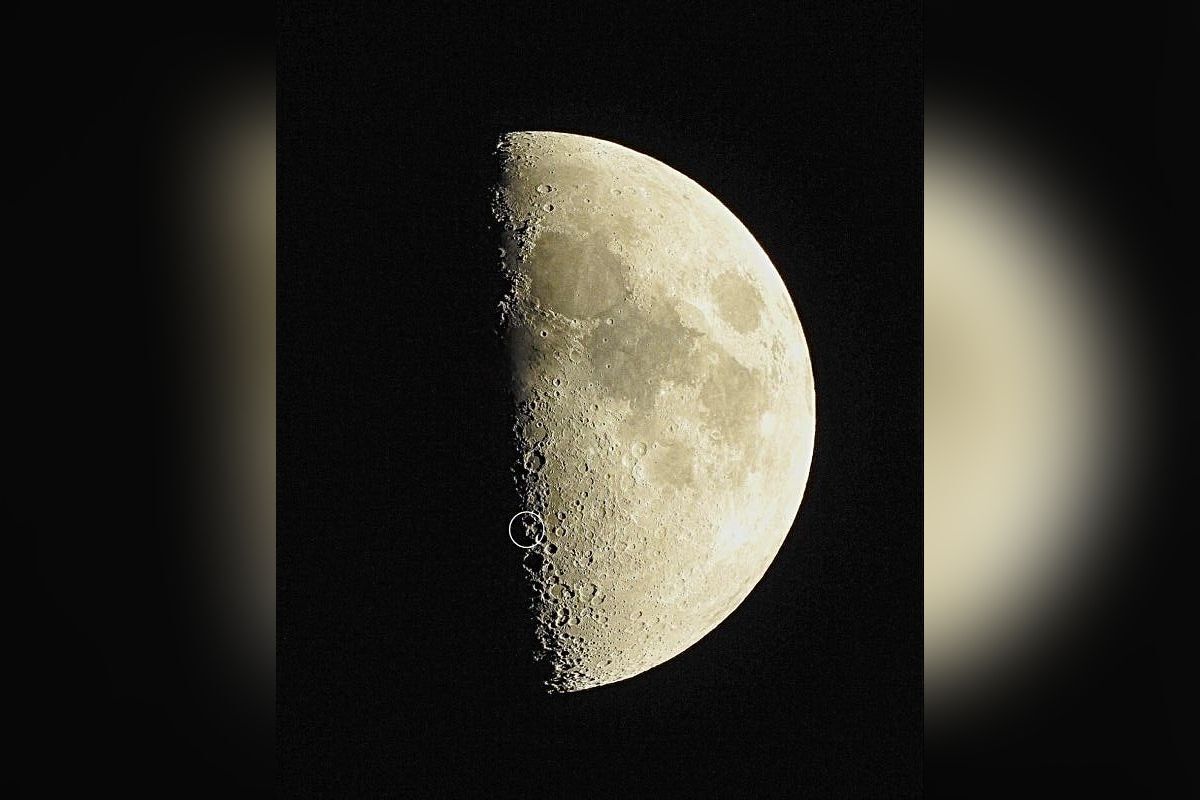
Seeing Stars: X marks the spot!
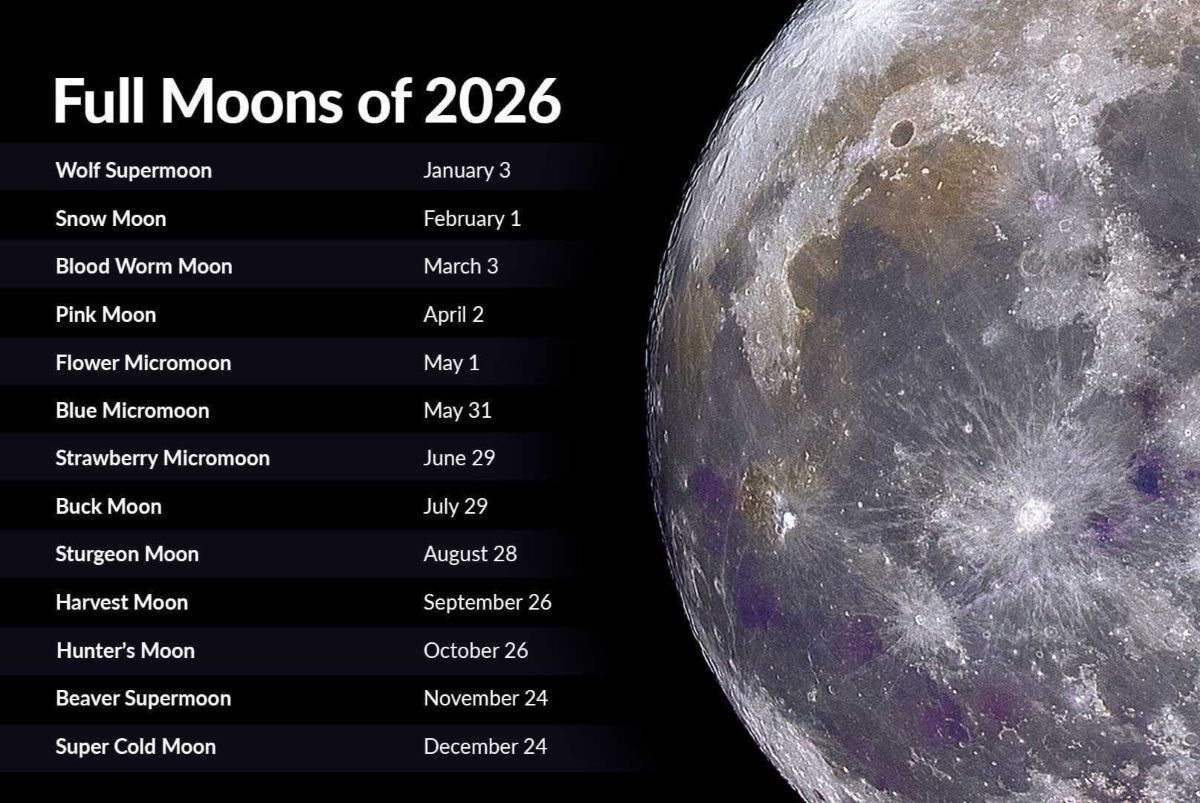
Seeing Stars: Blue Moon
Seeing Stars: Moon myths
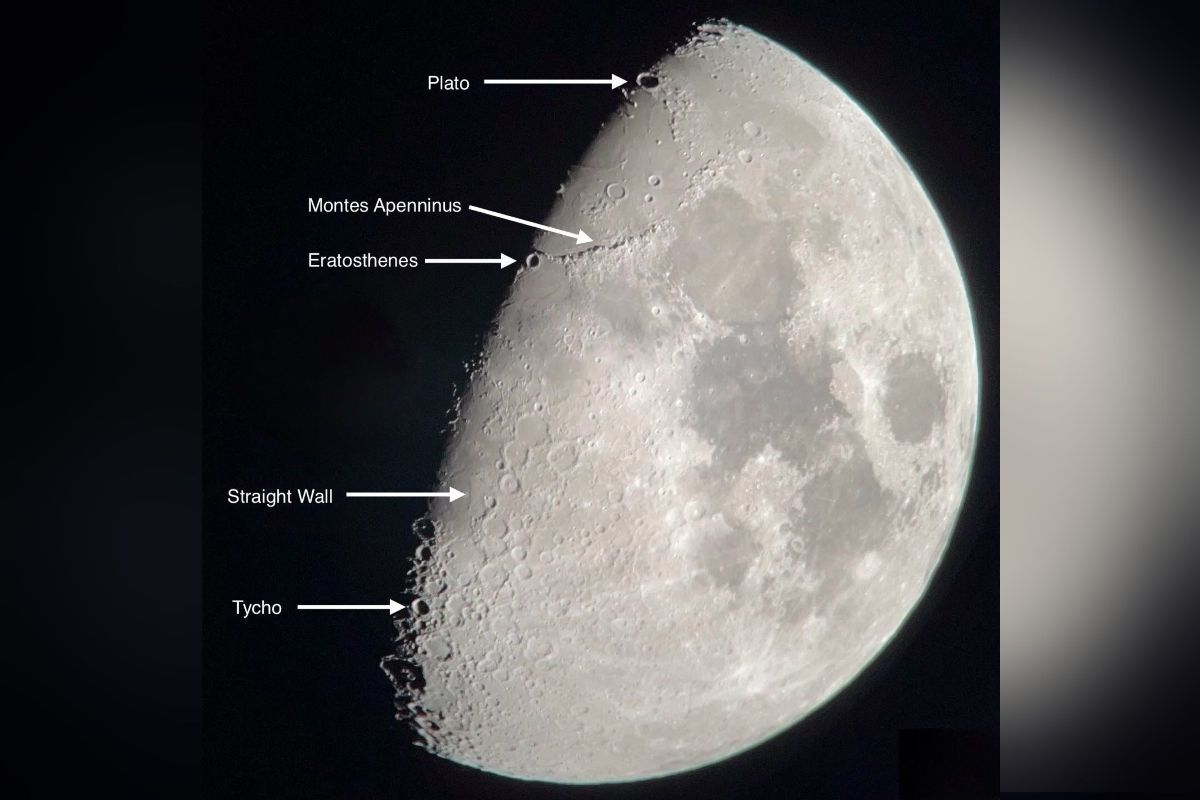
Seeing Stars: The Moon’s terminator
Latest News
JOBS
General Manager of a Property Company based in Onich - Telford Management
Sign up to our daily Newsletters
Permission Statement
Yes! I would like to be sent emails from West Coast Today
I understand that my personal information will not be shared with any third parties, and will only be used to provide me with useful targeted articles as indicated.
I'm also aware that I can un-subscribe at any point either from each email notification or on My Account screen.



© 2026 Wyvex Media Limited.